By Matthew Shaw
To start, what wedding trends are you personally loving right now, and why are they resonating with you?
Couples are really focusing on the overall experience and flow of their weddings, which I love, as it’s central to the ethos at Sauveur. There’s a real push for “intent” in wedding planning – thinking through how each moment feels, sounds and smells, and how it connects to the next. That’s how you make a wedding sing. I love seeing couples bring their personality into their designs and planning, and avoid certain approaches just because they’re the “done thing”.
When it comes to the overall look and feel of the day, how are you approaching your aesthetic or styling choices?
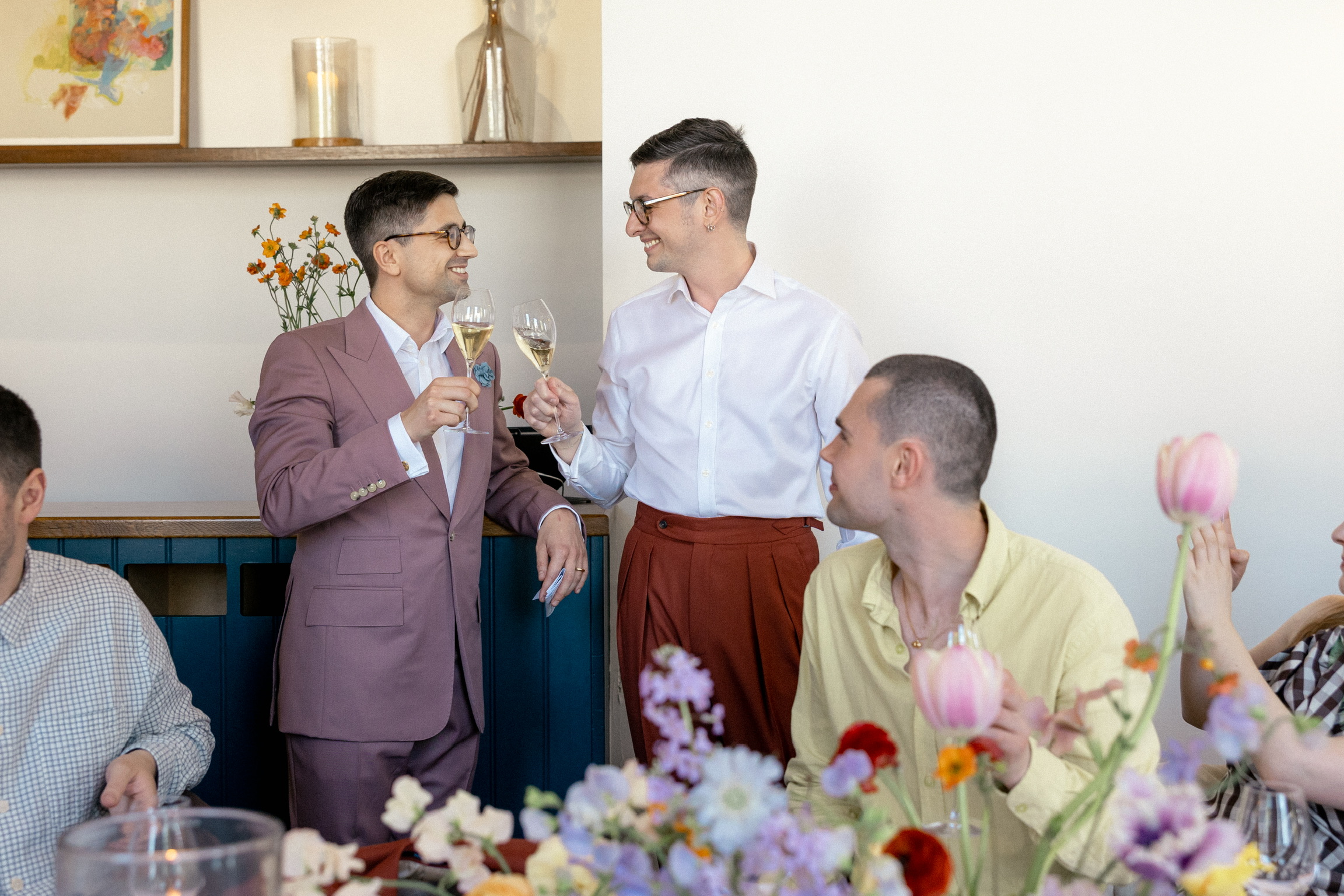
In line with couples’ more personal approach to planning, we’ve been enjoying weaving the couple into the centre of the overall design – through illustrations (beautiful sketches of the couple on napkins, say), literature, music and rituals. It makes the wedding feel inherently personal and draws guests in alongside the couple. It’s also important to understand your location, so you can design with intent, either by aligning with the local design and architecture or by flying in the opposite direction.
I’m also really embracing colour, and lots of it. There’s a broader trend of weddings – and fashion, branding, life – becoming more neutral and monochromatic, and I love reinjecting some colour.
Let’s talk fashion – what styles, silhouettes or designers are you gravitating towards for your wedding wardrobe?
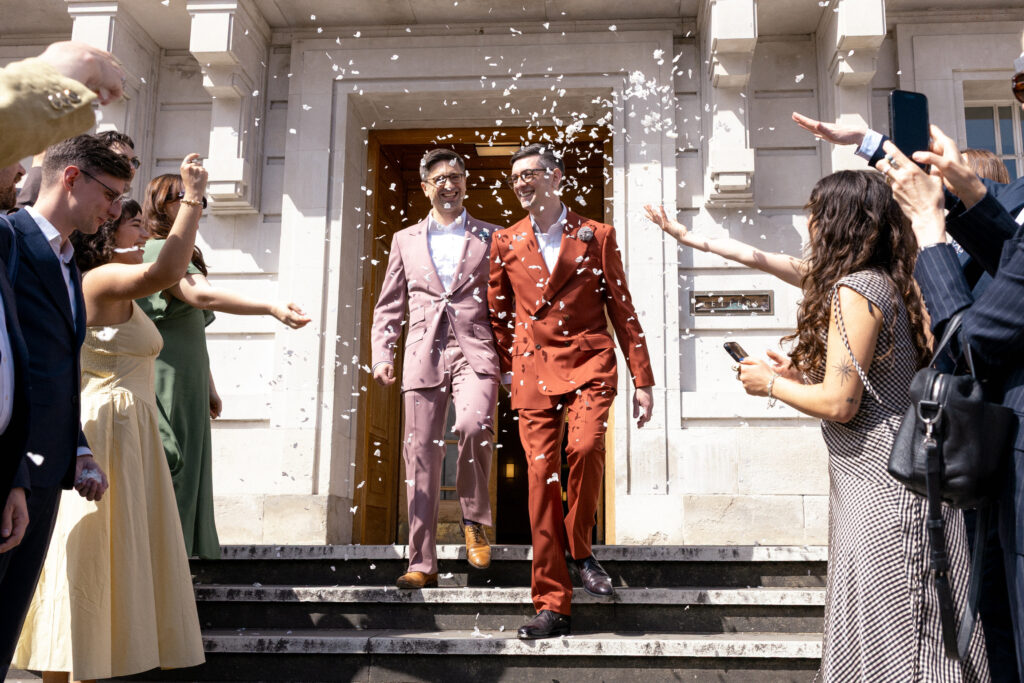
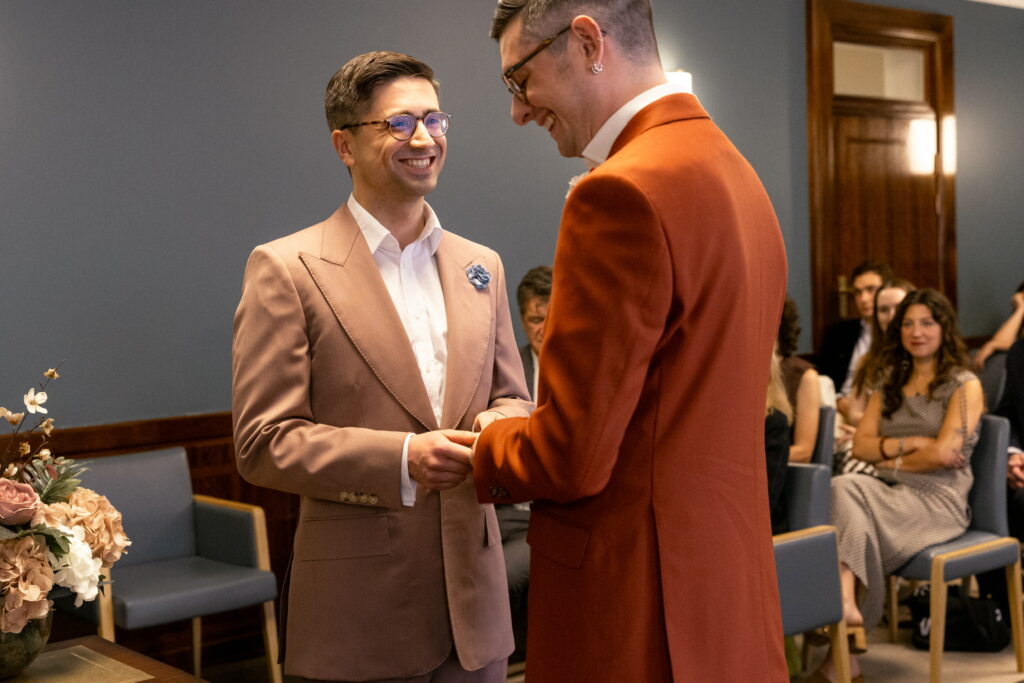
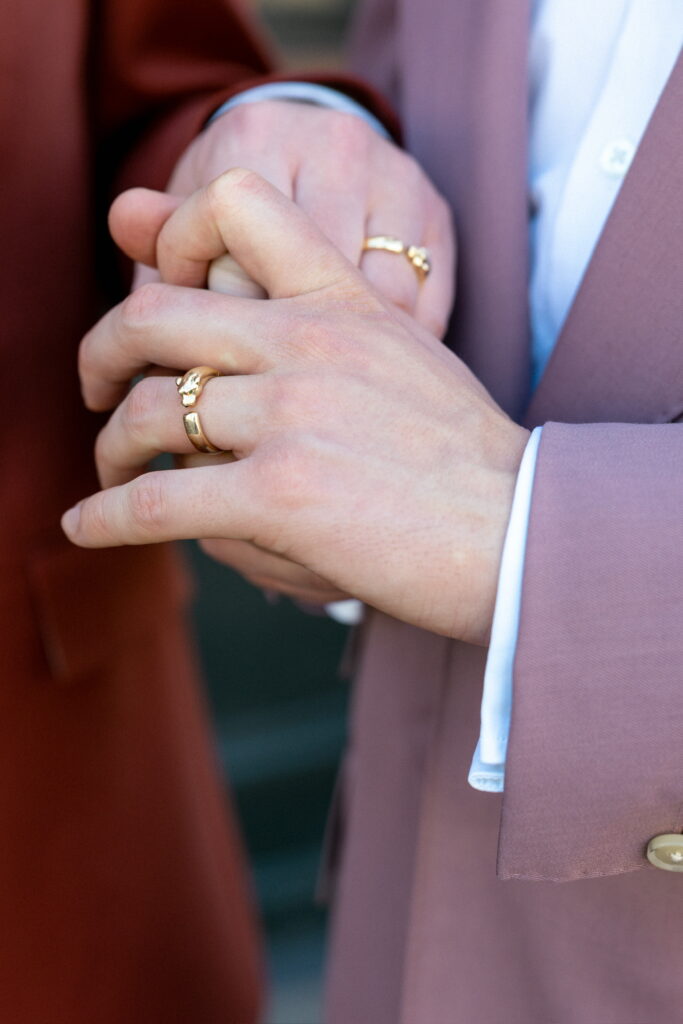
For our civil wedding this year, much deliberation went into the suits. We wanted classic tailoring with a slight twist, and we wanted to embrace colour. We found similar cuts from Edward Sexton and Richard James that complemented each other perfectly. I love these designers for men’s formalwear because they inject a bit of fun into traditional tailoring. For our main wedding, the dress code is black tie and we’ll be wearing white jackets.
Tablescaping has become such a moment in itself. What details are you focusing on to make your tables feel considered and special?
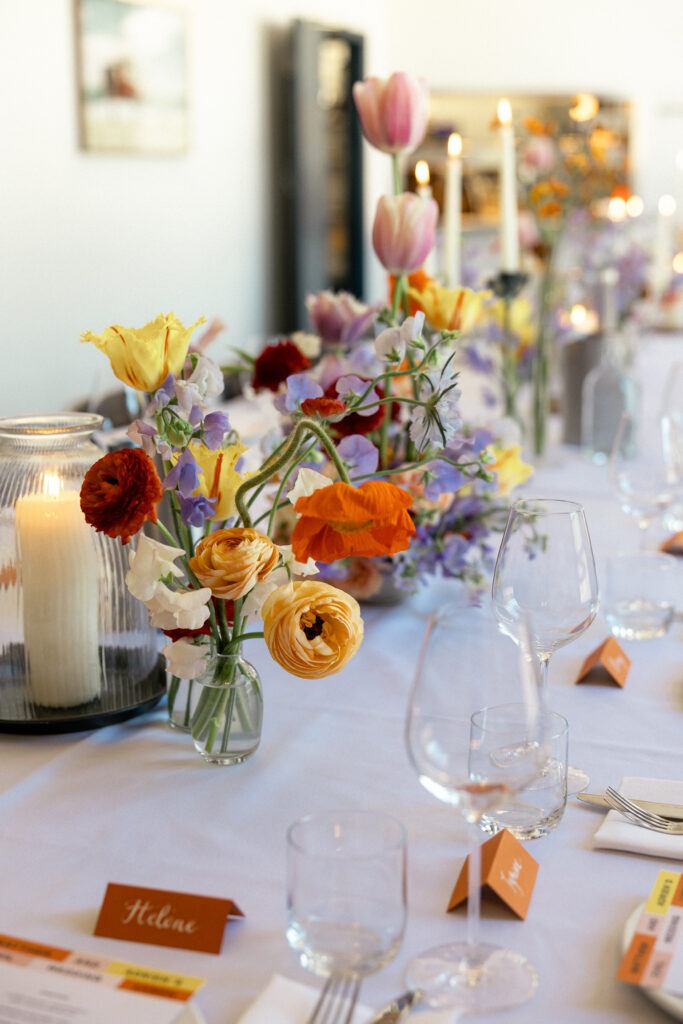
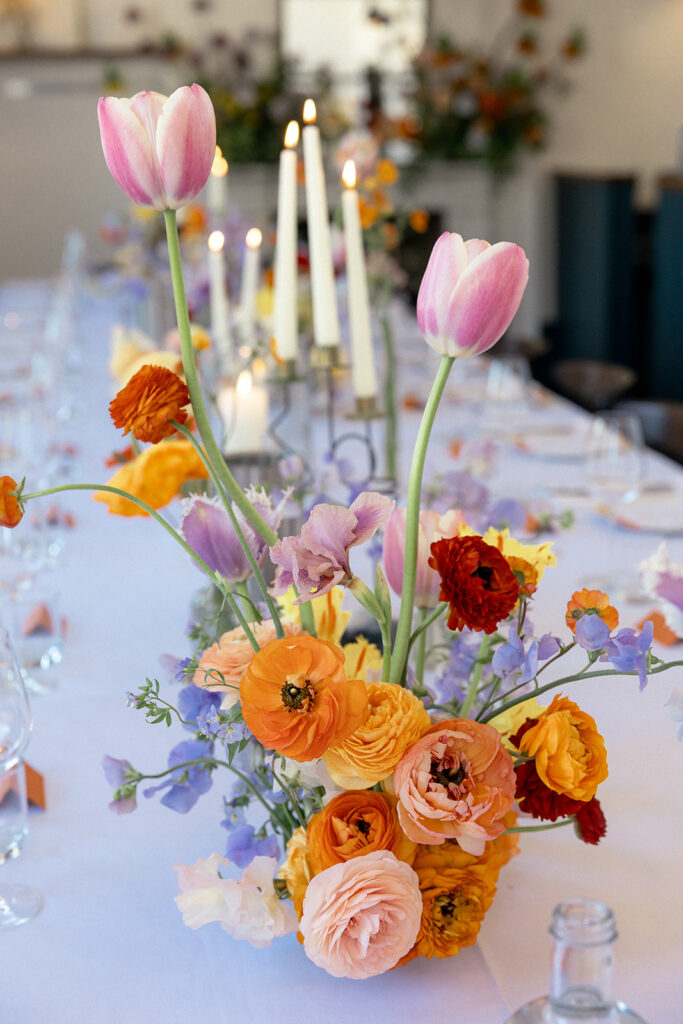
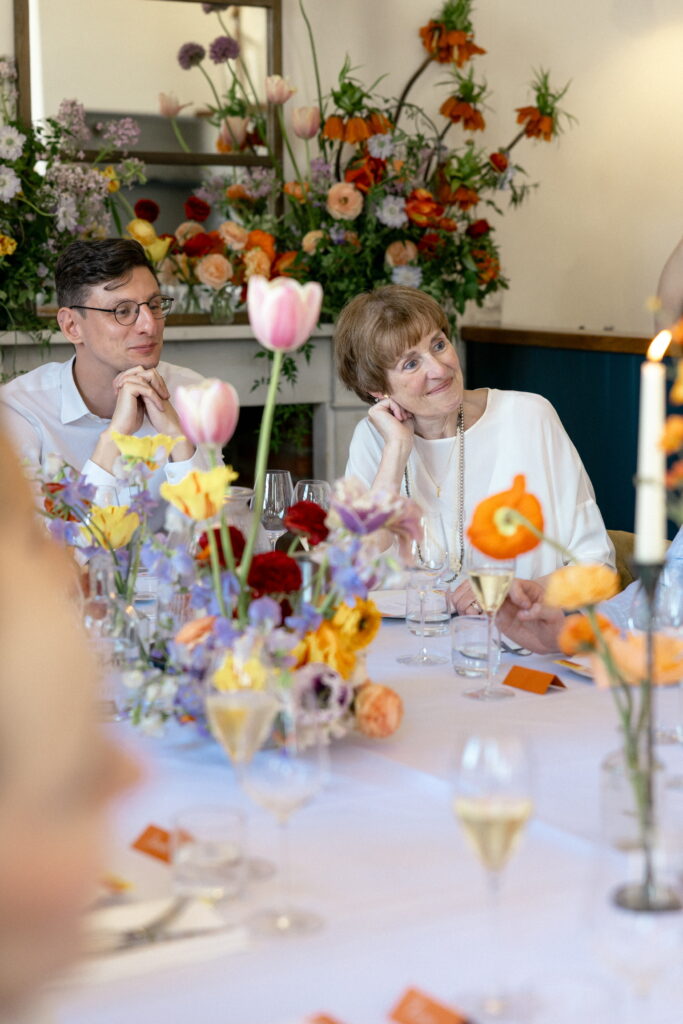
A beautifully designed table invites conversation and connection among guests, which is vital if everyone is to feel part of the celebration. As a fanatic for guest experience, I approach tablescaping from a more logistical starting point. Making sure people have enough space, are comfortable, and can easily see and talk to other guests is key, and often forgotten.
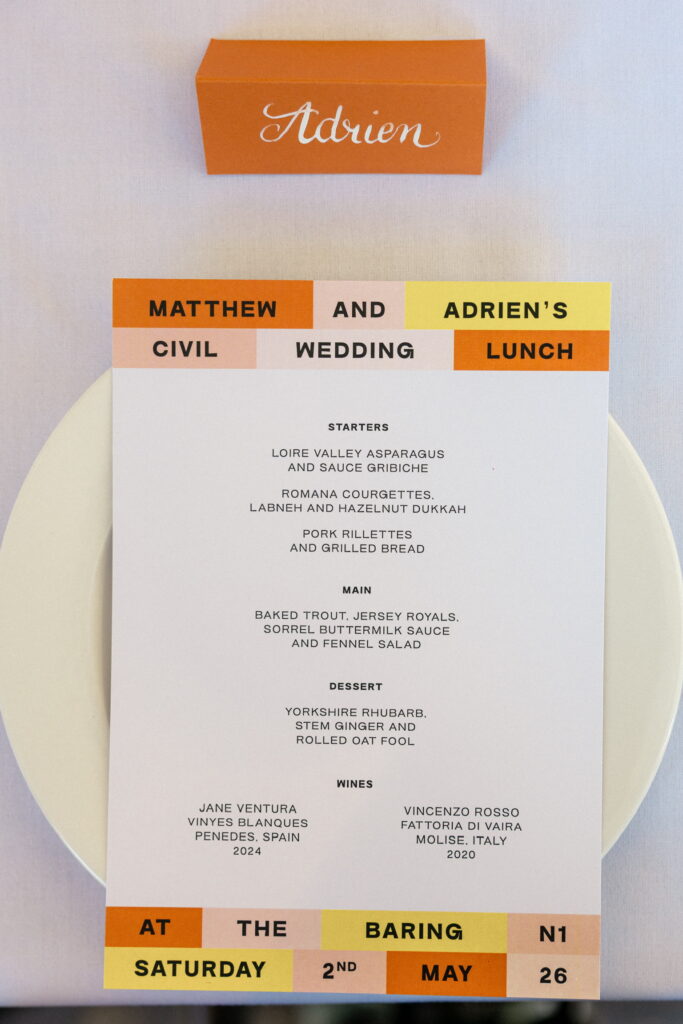
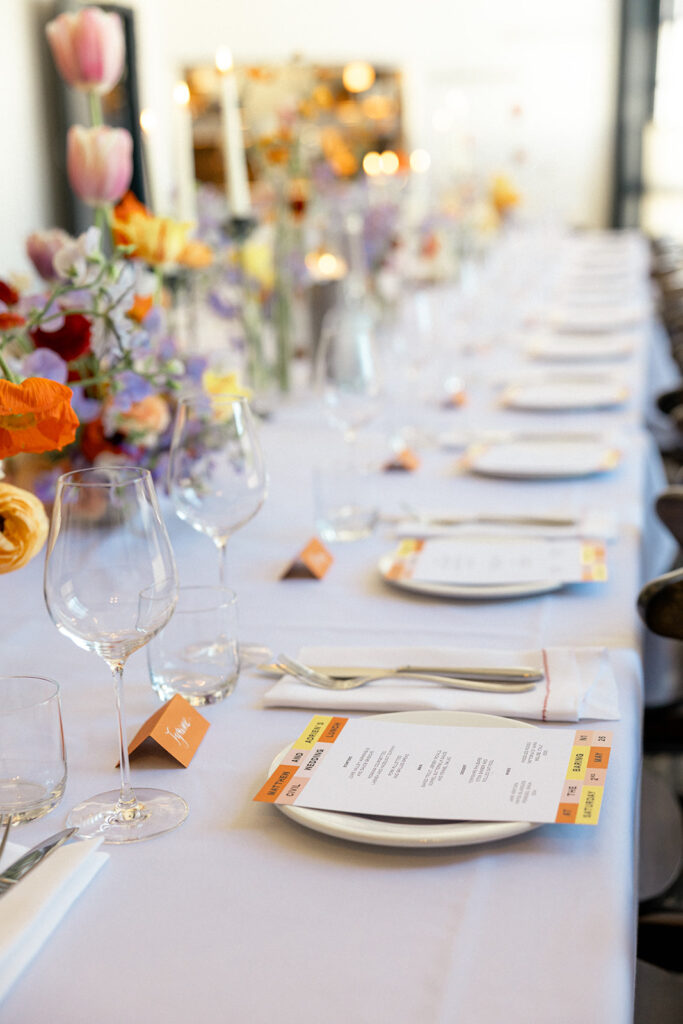
Tablescaping should feel personal and link to your wider wedding identity. It’s also important to consider your location, venue and food, so everything works in the same direction and tells one story. We’ve used vases that echo the venue’s architecture, detailed menu printing that refers to the building’s heritage, and napkins featuring a sketch of the couple drawn by their friend.
What wellness rituals are you incorporating in the lead-up to, or on, the wedding day – sound baths, yoga, tarot, IV drips?
The most important thing I tell all our couples is to get the basics right and rest. Arriving well rested and hydrated is the best thing you can do. If you’re considering any specific treatments beforehand, I always suggest a trial run well in advance to avoid any unintended reactions. We’ve had couples arrange morning yoga sessions as part of multi-day celebrations. It gives guests the chance to get to know one another before the main event, and helps everyone feel grounded and relaxed for the day ahead.
What colour trends are you loving for weddings this year?
Colour in general. I think wedding palettes have become too muted and neutral. That can work in certain moments and settings, but I love seeing people embrace more colour. For our civil wedding, we went full block-pop colour on the invitation. It felt like it represented us and our approach to the day.
We’re often sent very tight-knit palettes to work with, then encourage couples to go back and share the colours they really respond to. From there we can have fun expanding on it – clashing and mixing – to create something special. As a starting point, I usually ask couples to send us posters, books or flyers they’ve seen. It really gets the conversation flowing.
How are you thinking about documenting your day – whether through social media, content creators, or a more unplugged, phones-confiscated approach?
I generally prefer a more unplugged approach. It’s important to have trusted photo and video teams present so all the details and emotion are captured, but where possible I like encouraging guests to step away from that duty and really engage in the celebration. I’d insist on a phone-free ceremony and lightly encourage the approach throughout.
I may be old-school, but I’ve never been keen on the content-creation approach, or weddings that feel like film sets. It takes away from the guest experience and the personal nature of the day.
Guest experience is such a key part of a modern wedding. What are you doing to make the day memorable for everyone attending – immersive entertainment, interactive food moments, photo booths?
For me, guest experience begins well before the wedding day. Making sure guests are well informed, with all the details and logistics thought through for them, is the ultimate luxury. Guests will be far more settled and ready to celebrate if the journey to get there – physical and metaphorical – has been smooth.
On the day, a truly special guest experience is the sum of all its parts, and we consider it meticulously at Sauveur. It’s not about booking lots of different things; it’s about understanding the flow of the day. How does each moment connect to the next? How do guests move around the venue and discover new spaces? Getting this right is what makes a wedding special.
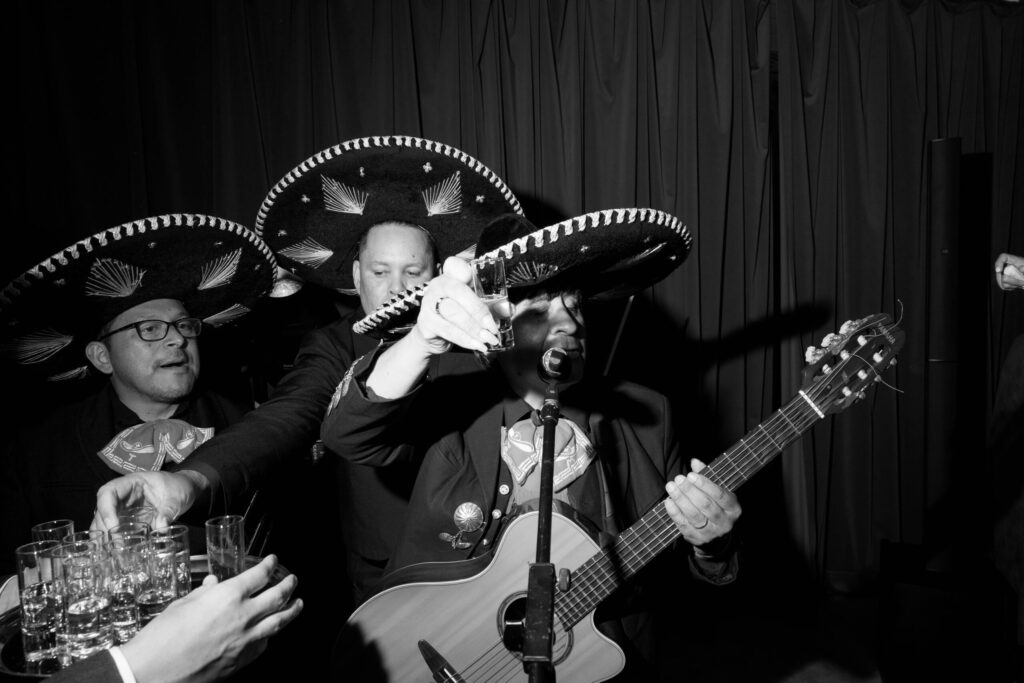
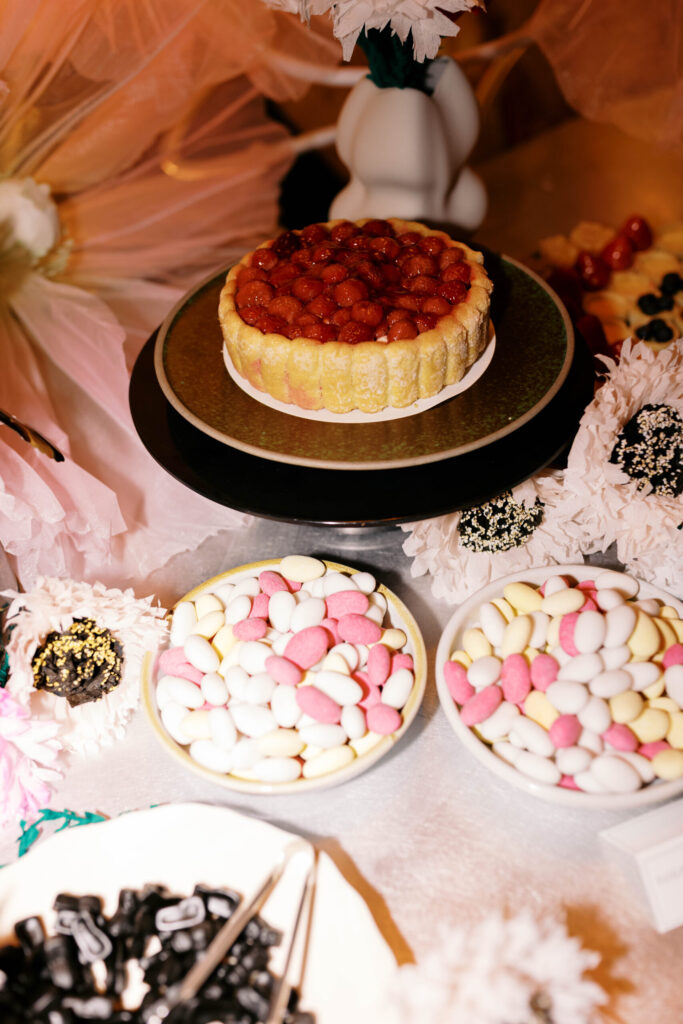
Rather than entertainment for entertainment’s sake, the most impactful experiences tend to reflect the couple’s story and heritage. At one London wedding, we surprised guests with a traditional mariachi band in honour of the bride’s South American heritage, alongside a bespoke pick-and-mix station featuring treats from countries that held personal significance for the couple. At another, we incorporated a traditional Azerbaijani plov ceremony, giving guests the chance to learn about and experience a tradition that meant a great deal to the family.
We also design the moment and provide explanations in the order of service or menus, so guests feel involved and understand what they’re seeing. One of the most special things about blending traditions is creating something new from both sides: some guests recognise their cherished customs, others learn something new, and everyone enjoys the in-between.
Are there any traditions or trends you’re consciously rejecting?
I stay away from any trend there isn’t a personal response to. I feel the industry has become very trend-led, and it’s so important that your wedding feels like a representation of you, and that your guests see you in it.
There’s lots of wonderful inspiration out there, which can be very helpful, but it should act as a guide rather than your starting point. Guests should leave feeling they’ve experienced your story, not simply the latest trend.
Finally, what does being a 2026 bride or groom mean to you?
For me, it means the freedom to design a wedding that’s unique to you. For the modern couple, it’s about connecting with guests through shared experience, emotion and celebration. That’s become the leading approach to wedding planning, and it’s one I firmly encourage.
READ NEXT: Wedding Trends I’m Loving With Ana Marlene