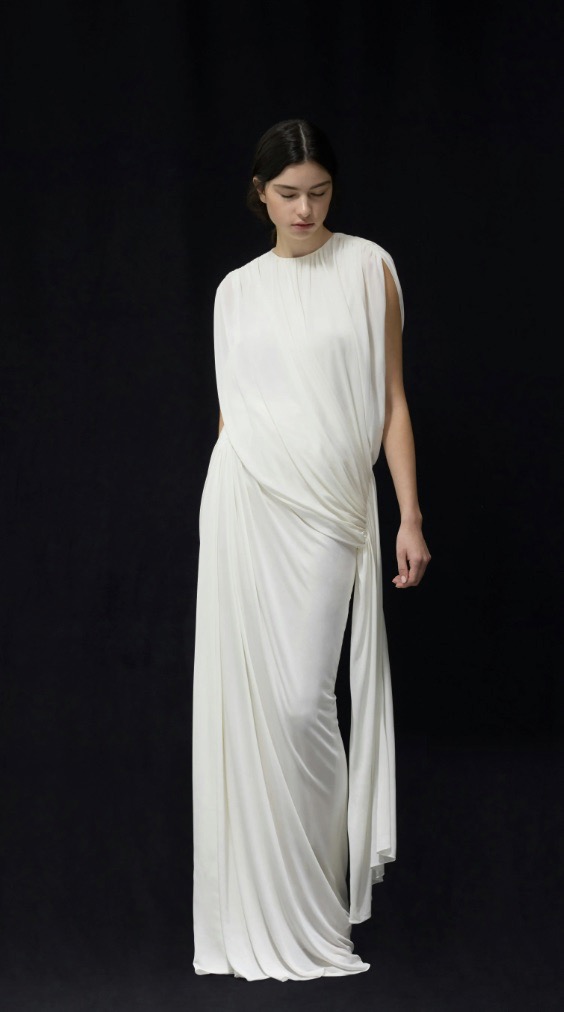
The verdict from New York Bridal Week 2026 is in, and it is divided. On one end, 90s minimalism, with its slip cuts, ivory crepe, Herb Ritts references, reigns supreme as the default house style for a new generation of international ateliers. On the other, an equal and opposite reaction: vintage rules, with more-is-more whimsical accessories, 18th-century silhouettes and panniers making a comeback. The bride, it seems, can have it both ways.
Alexandra Grecco
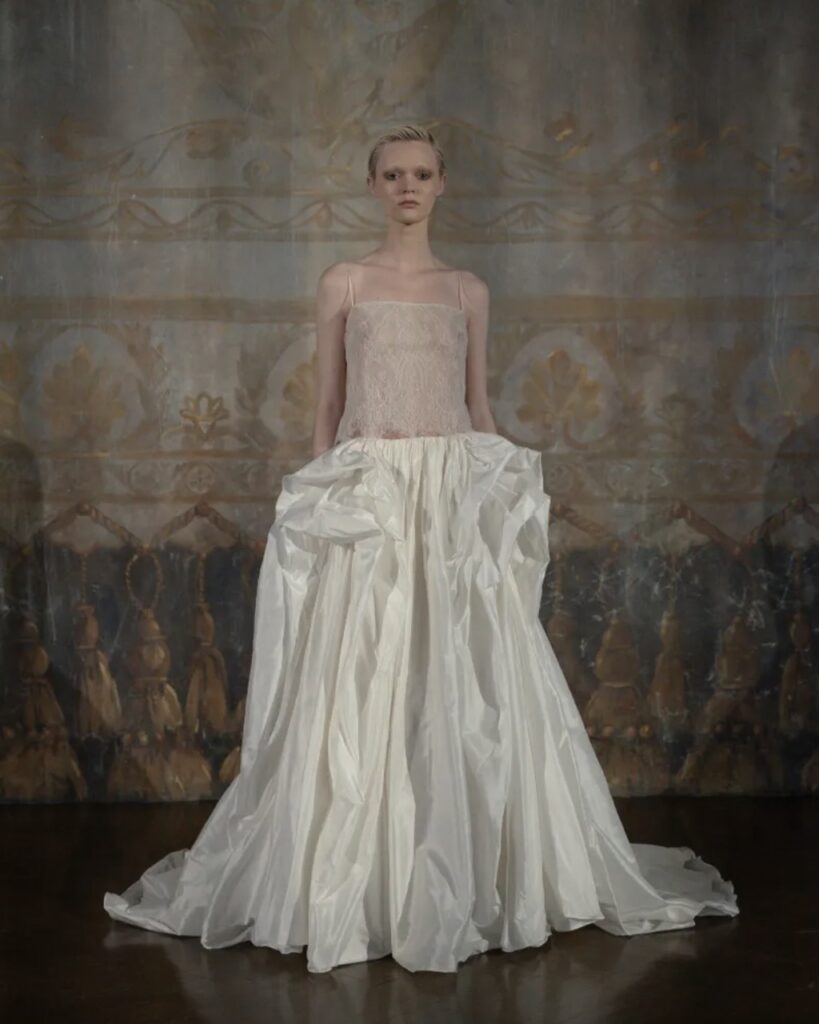
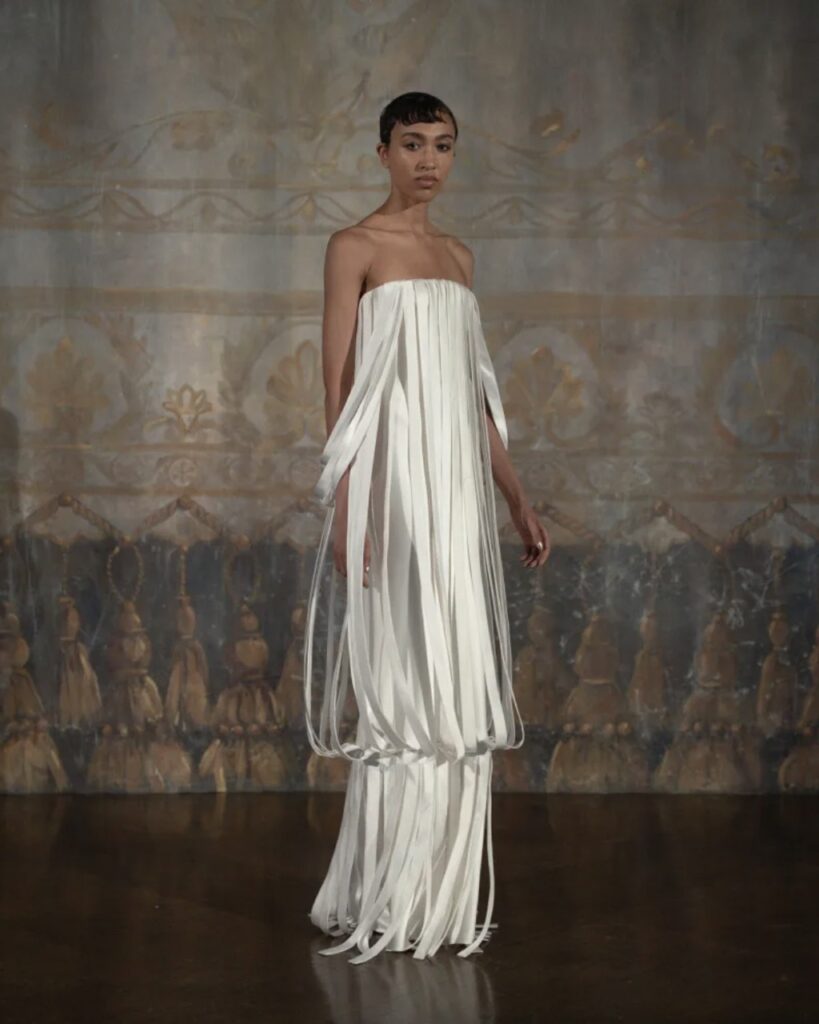
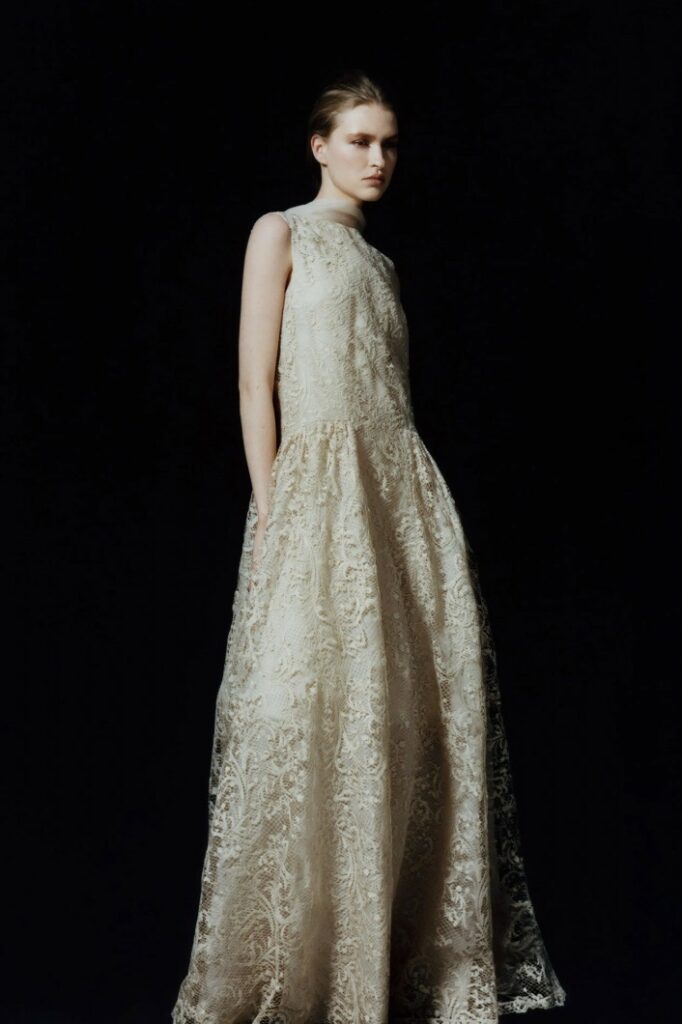
The West Village designer who built her reputation on bias-cut silk and a near-monastic commitment to restraint showed a 2026 collection, ‘Dream, Baby, Dream’, that moves between historical eras: 1920s-style head caps and beading; barely-there feather lace tops of the 2020s with a voluminous ballgown skirt; and, of particular note, a strapless two-tiered gown, cut and feathered to evoke paper, rather than fabric.
Discover more here.
Laura Carmel
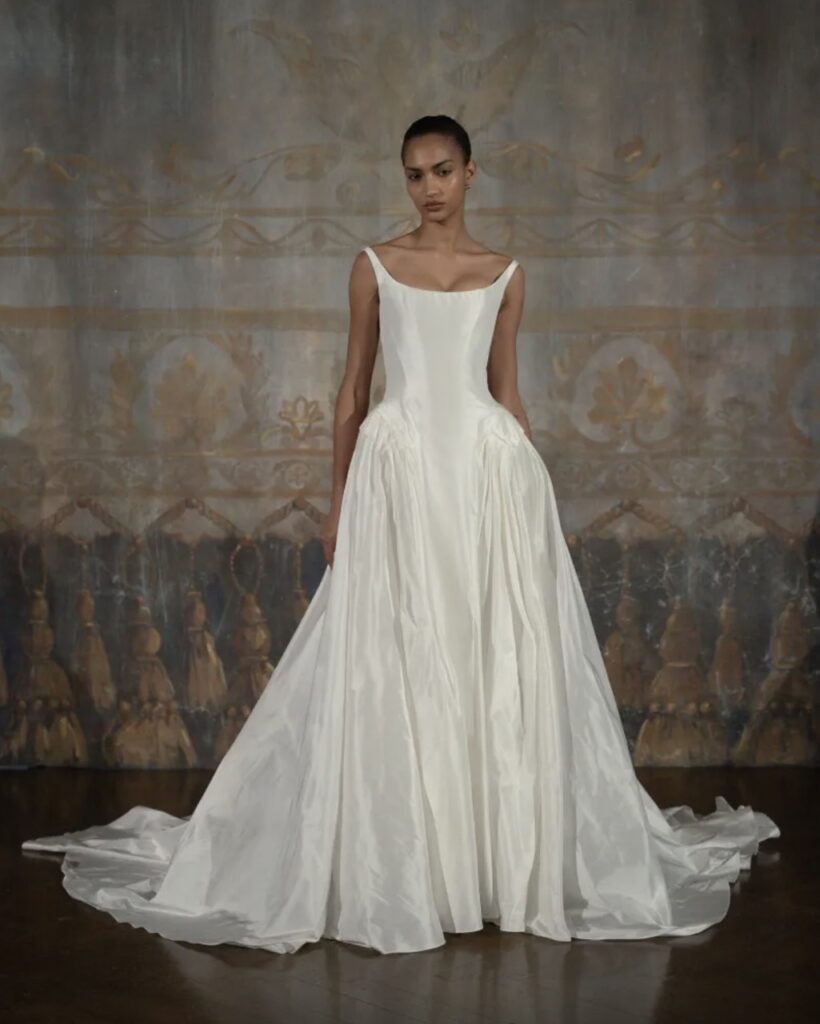
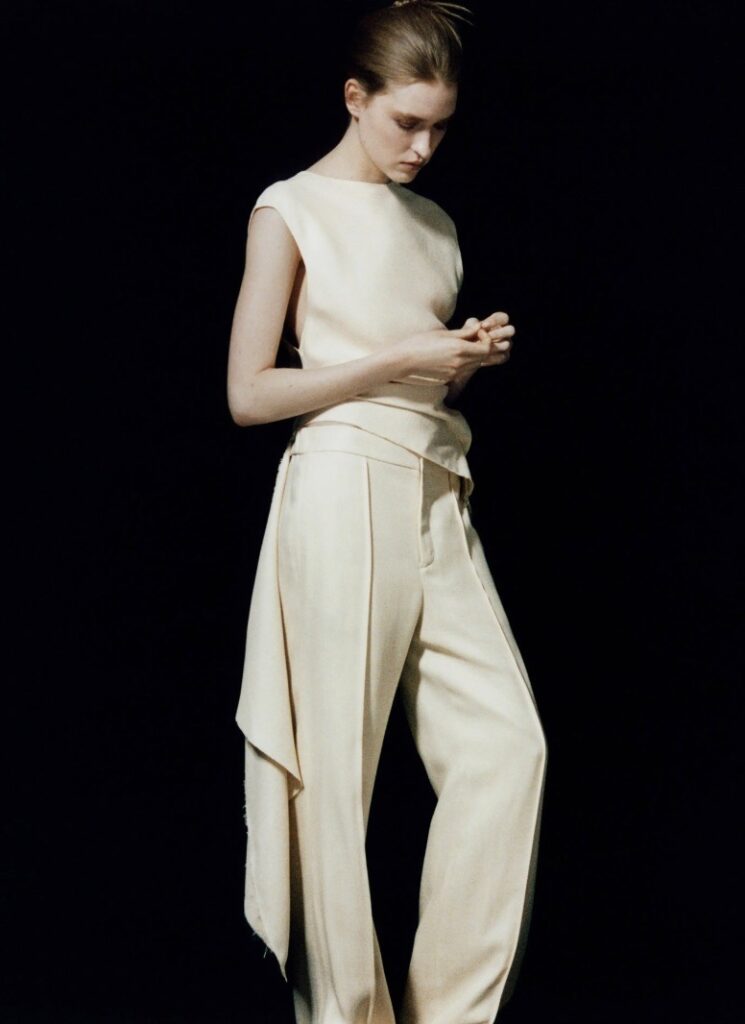
Laura Carmel continues a language of restrained modernism, volume without ornament, with her latest collection: sculptural silk organza sheaths and soft square necklines paired with asymmetric cuts and basque waists. The designs either sing solo or simple styling, with the slight addition of a 90s scarf tucked behind the neck for added cool.
Discover more here.
Batsheva
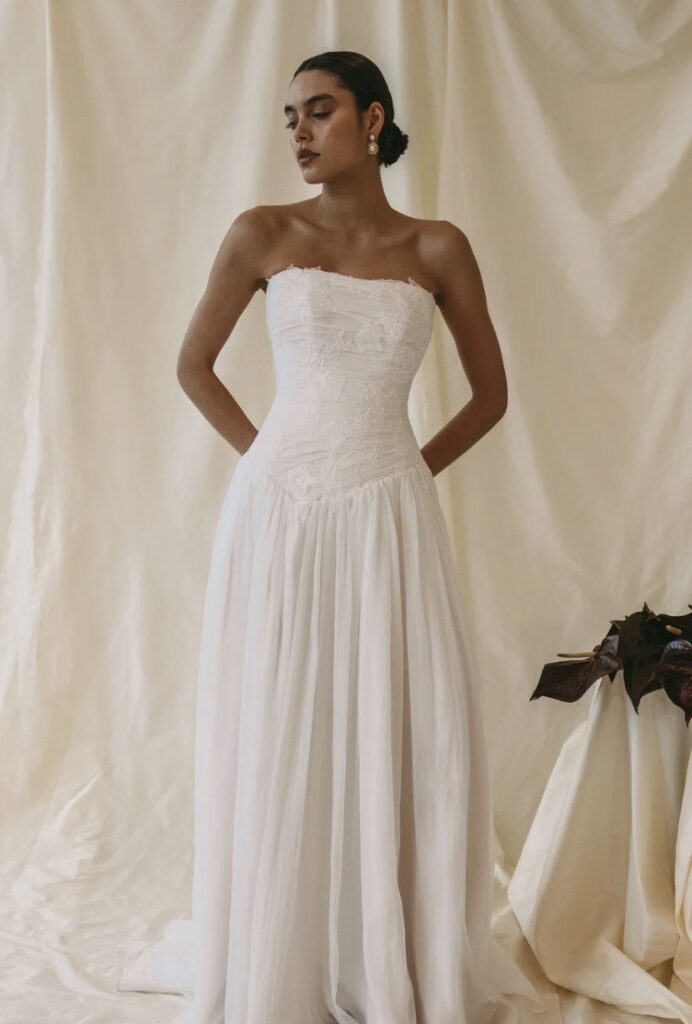
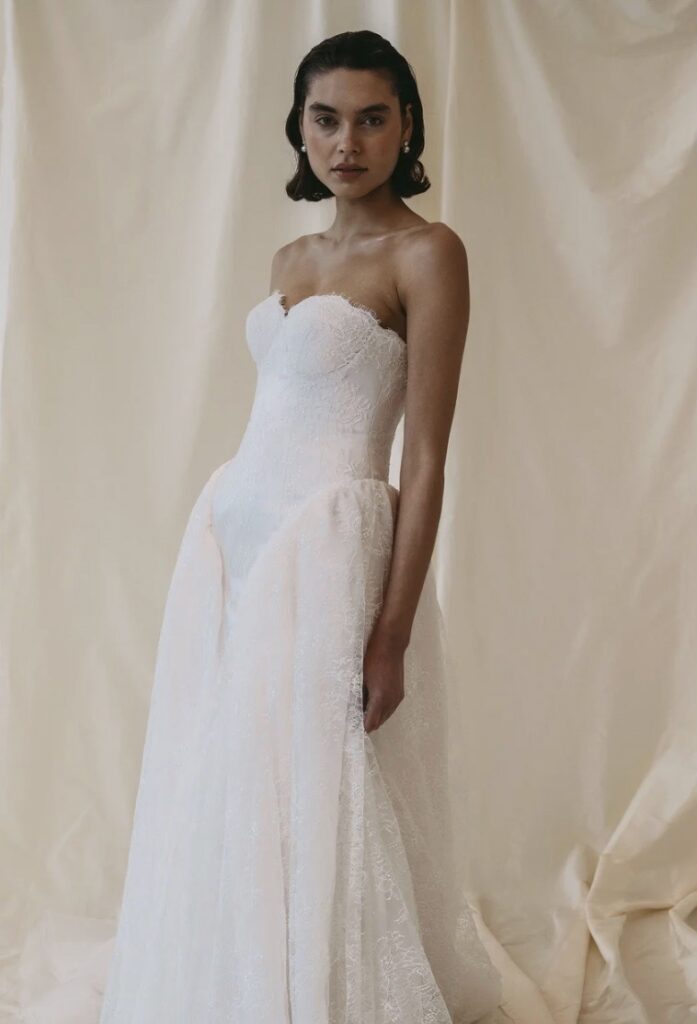
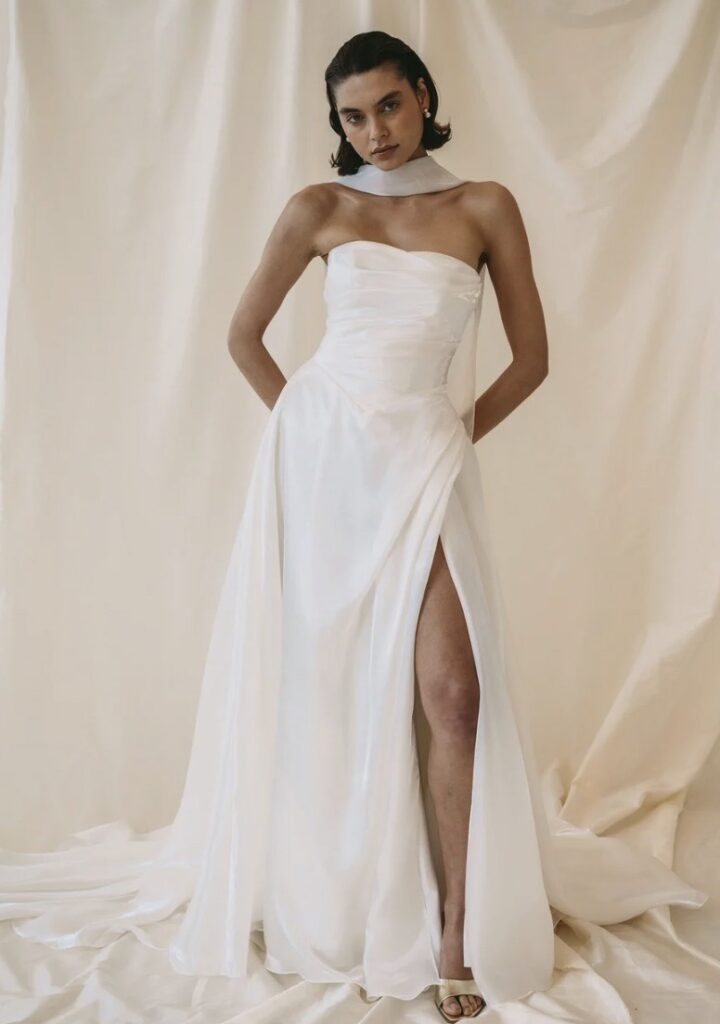
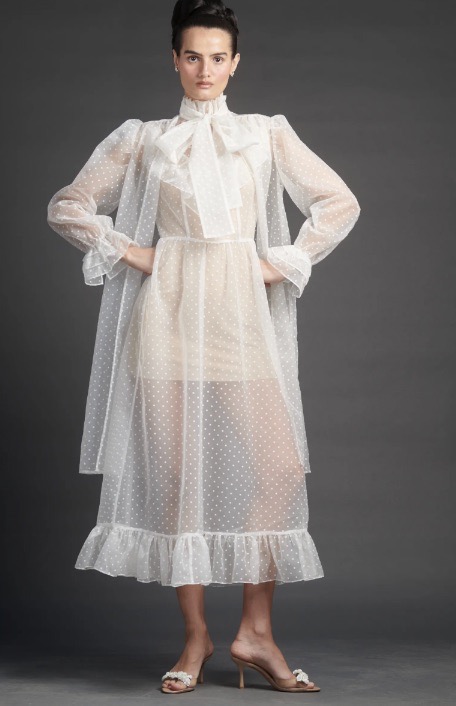
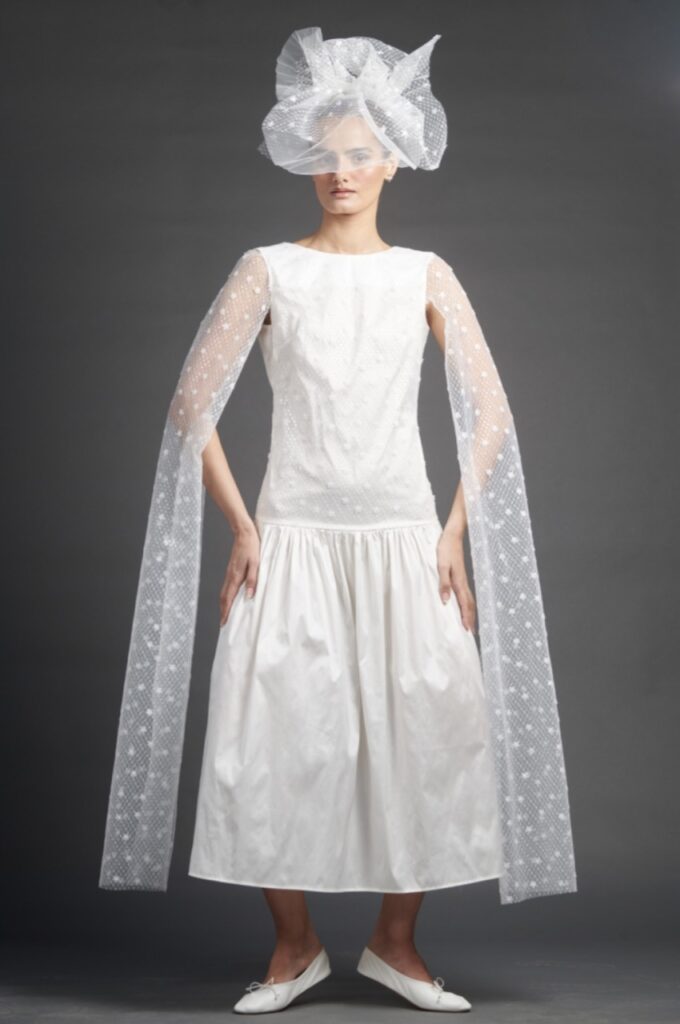
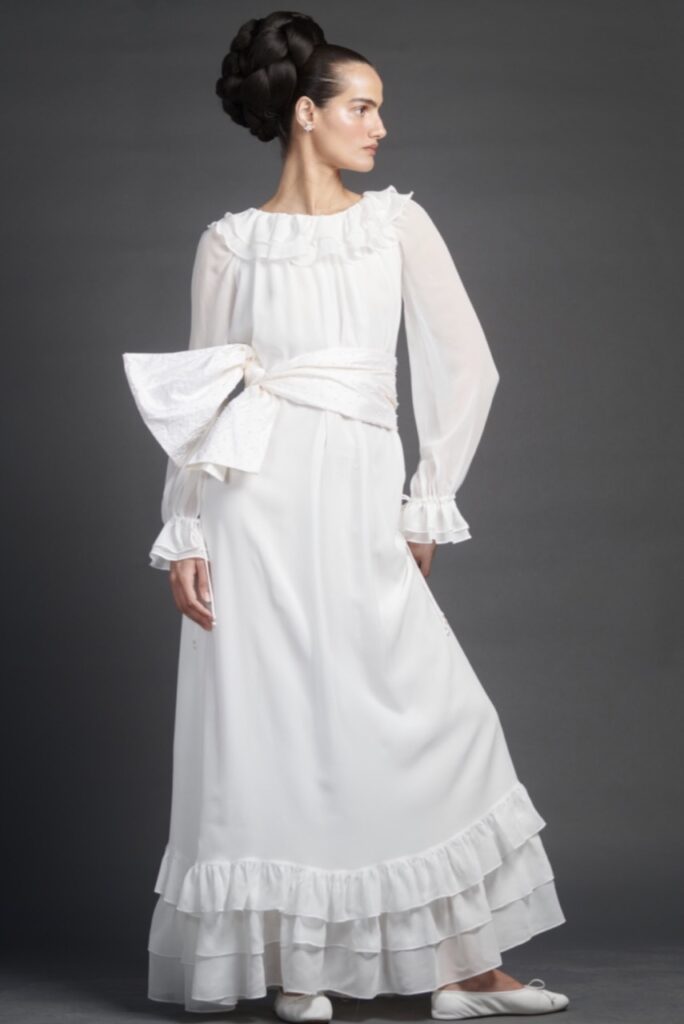
Fashion brand Batsheva Hay has turned its hand to bridal, showing a collection in collaboration with Michelle Copelman which maintained the house design language – prairie romanticism – with vintage-inflected gowns in silk duchess satin, moiré, and silk jacquard, styled as Victorian portraiture. Hay held the presentation in her own Upper West Side apartment, where models – including two recently engaged locals – tried on the collection.
Discover more here.
Ouma
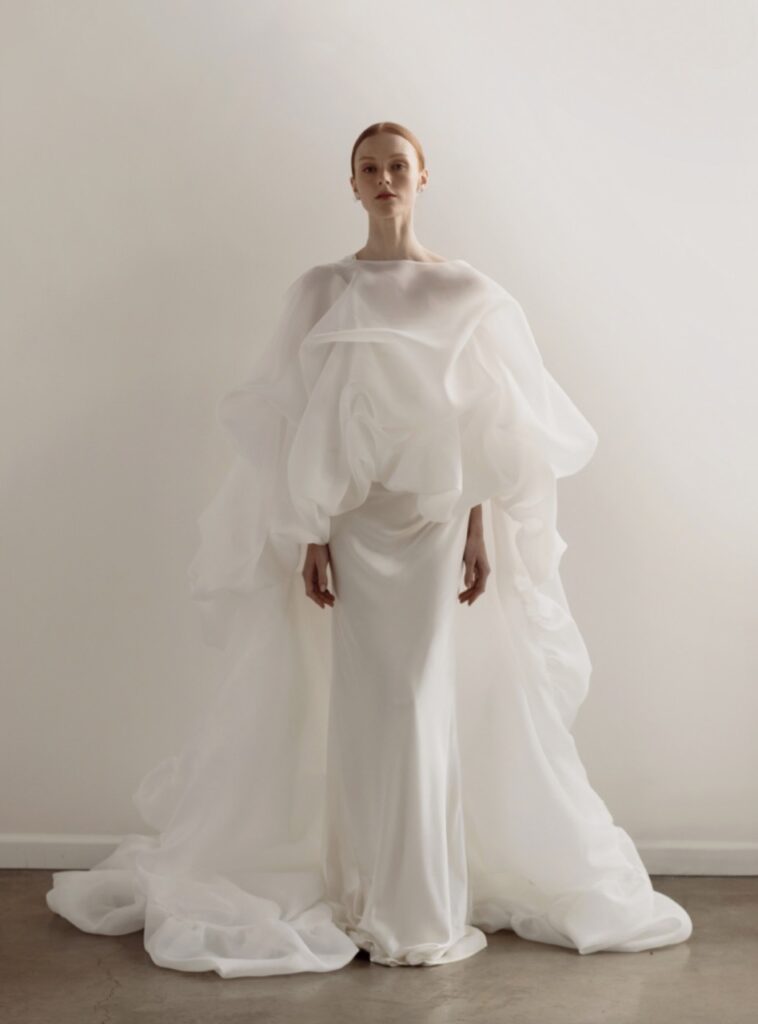
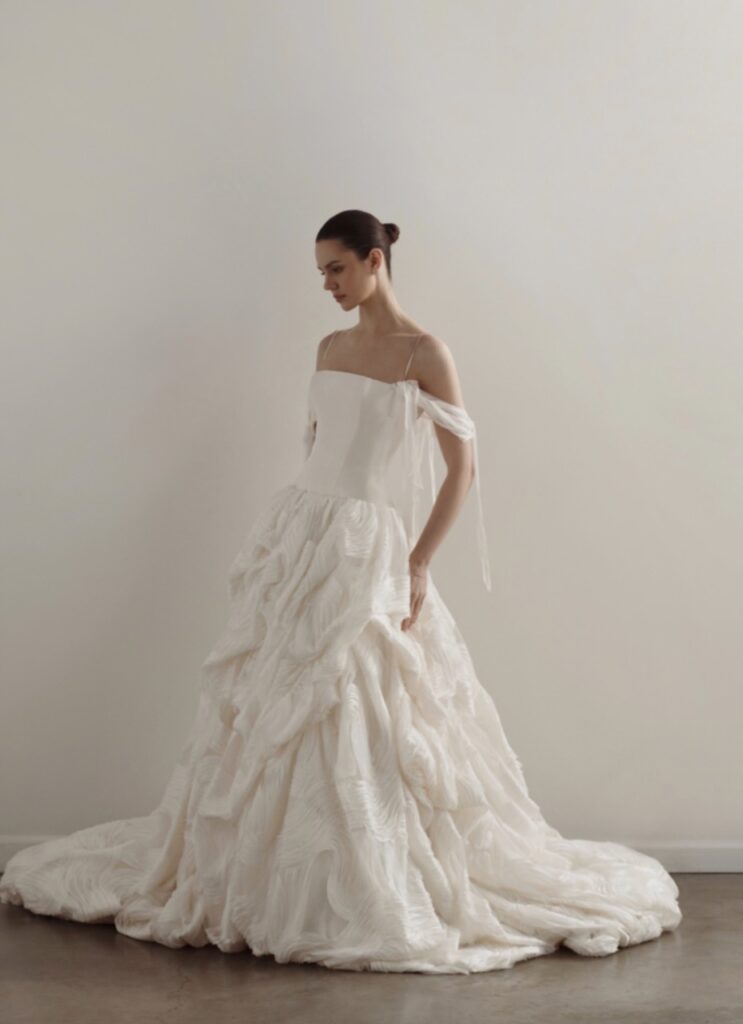
Designer Grace Jun’s Los Angeles-based label doubled down on dramatic architectural minimalism at New York Bridal Week, with fluid, sculptural shapes and voluminous sleeves, and designs including a strapless silk mikado ball gown with short puffy sleeves, an ethereal off-the-shoulder organza cape, and a tiered skirt paired with a boned bodice.
Discover more here.
Ferrah
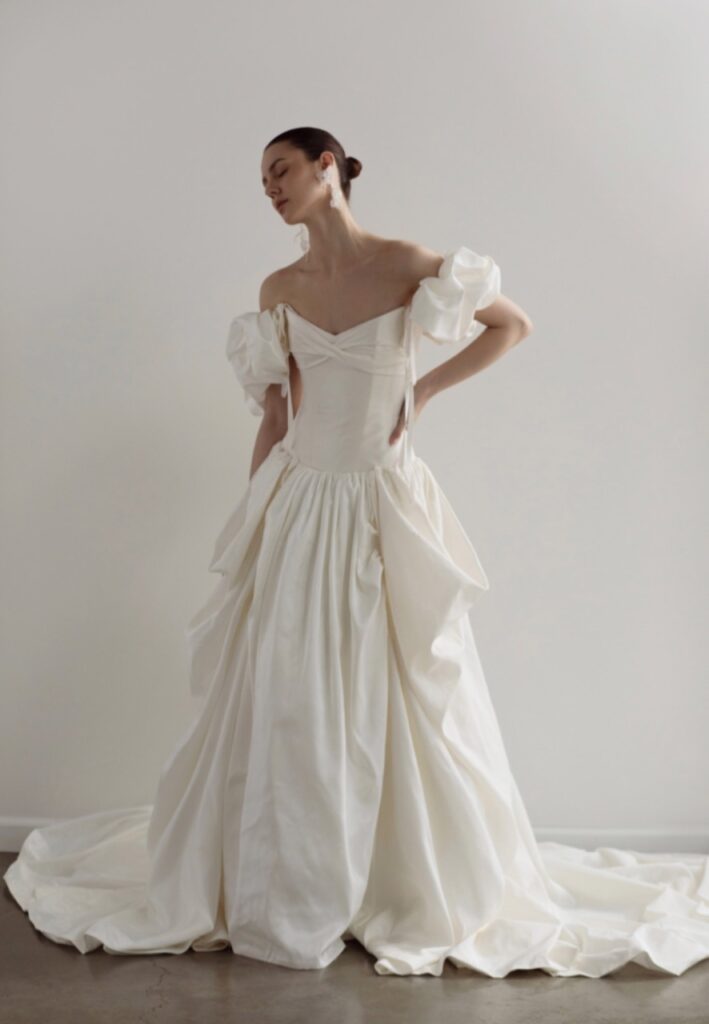
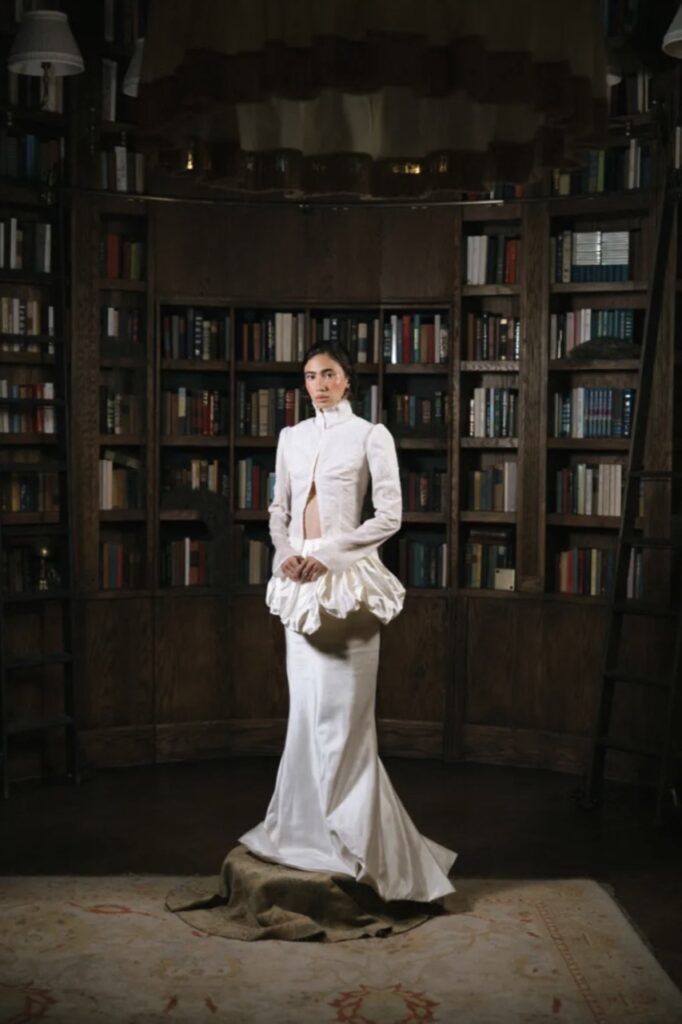
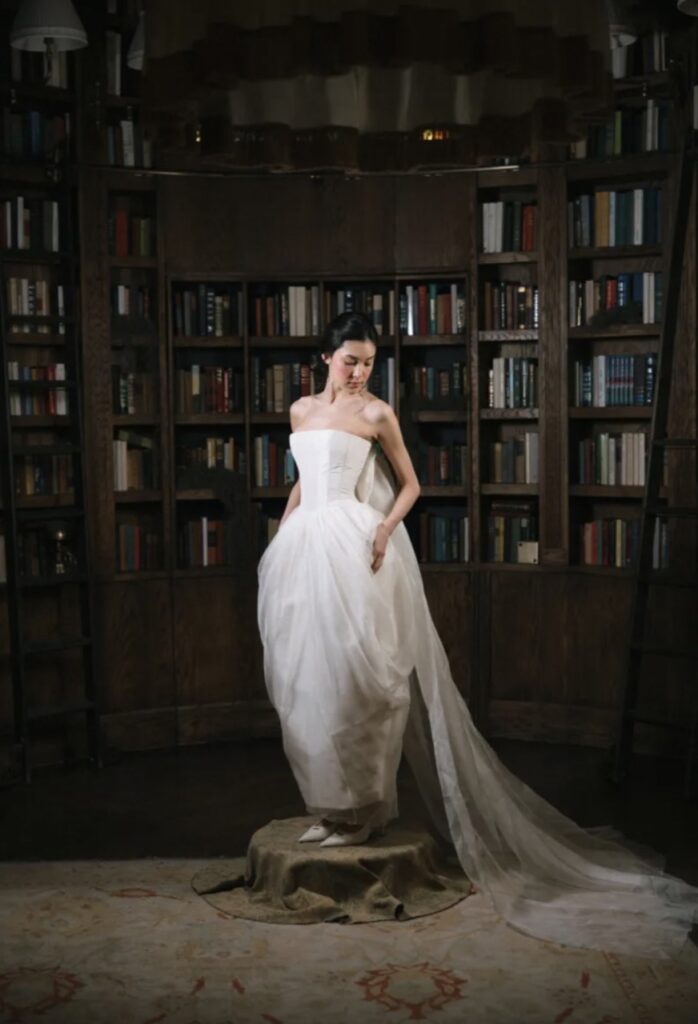
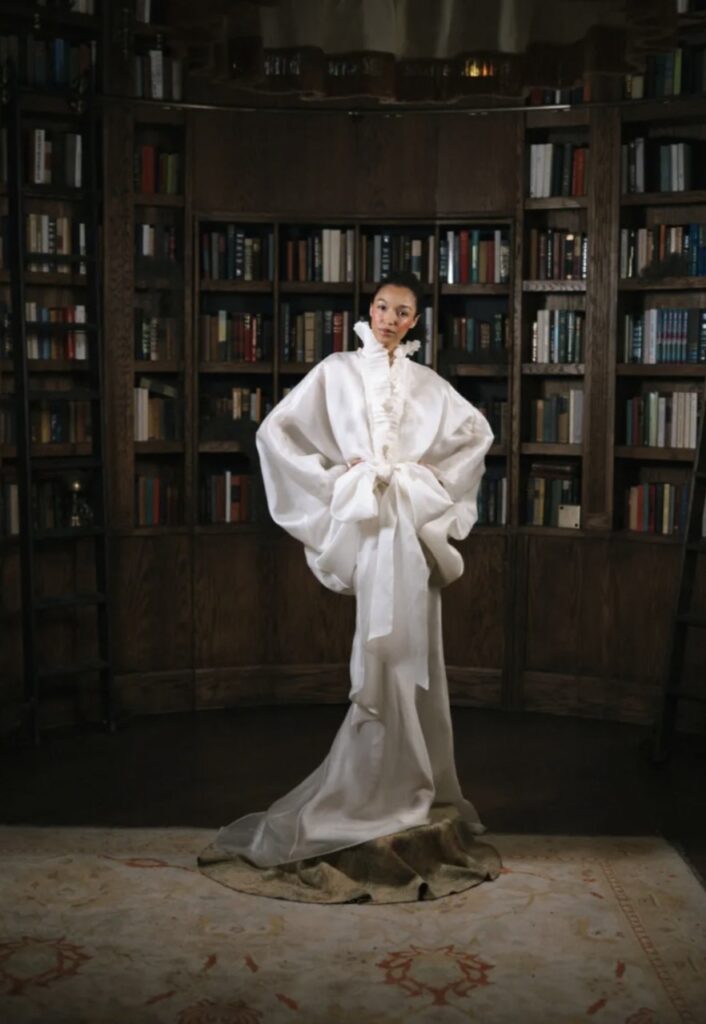
Designer FerrahJev’s namesake Los Angeles label leaned into the vintage resurgence from all angles: exaggerated 50s silhouettes, Edwardian buttoned-up jackets with pannier-style volume at the hip, a champagne, oyster and ivory colour palette. The standout gown is more of a wrap, acting as a cocoon on the wearer, with an exaggerated bow-belt at the waist.
Discover more here.
MWL Bridal
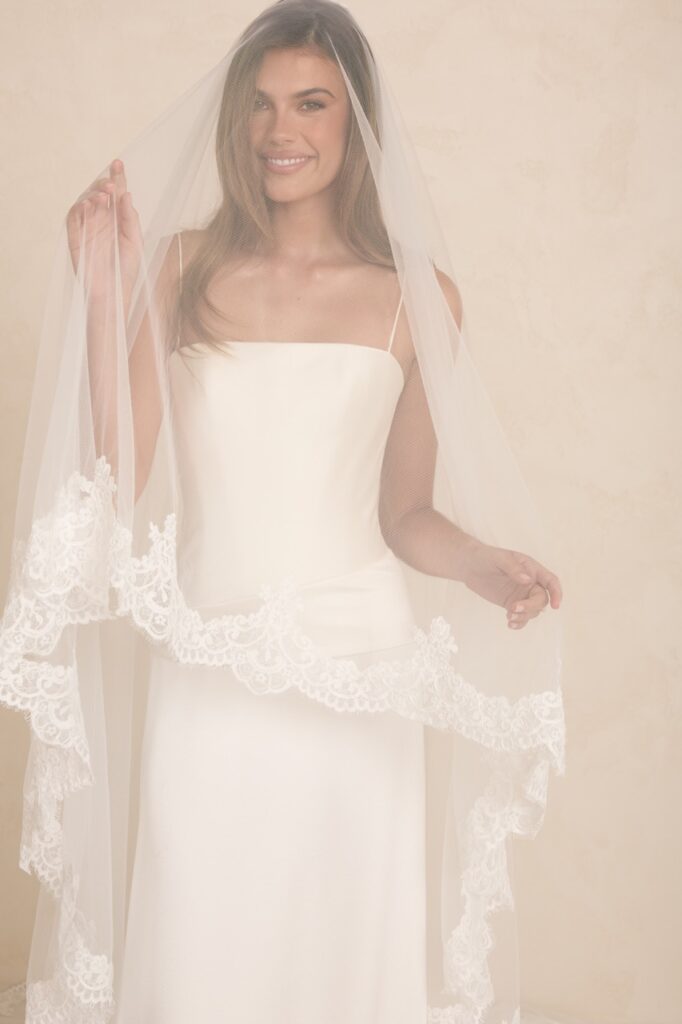
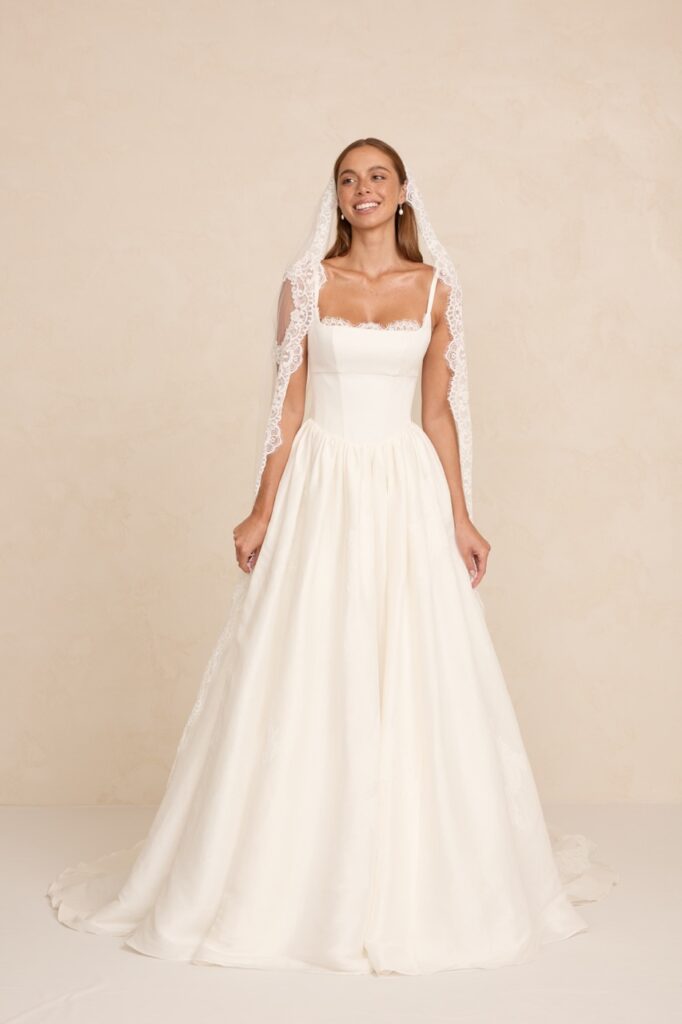
The Australian-founded brand, known for its easy 90s minimalism and effortless designs, showed a collection at New York Bridal Week 2026 that emphasised the imperative of good construction: neat strapless columns in ivory silk, A-line gowns, barely-there straps and light-touch tulle veils with lace borders.
Discover more here.
SEPT
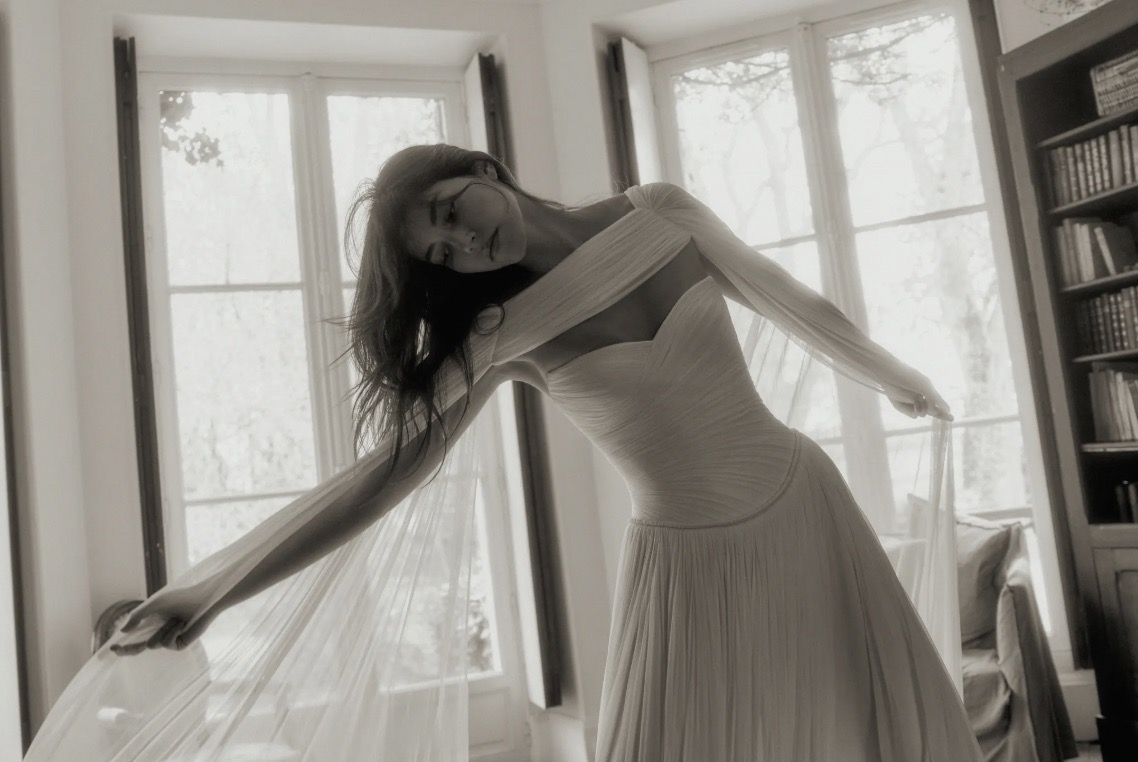
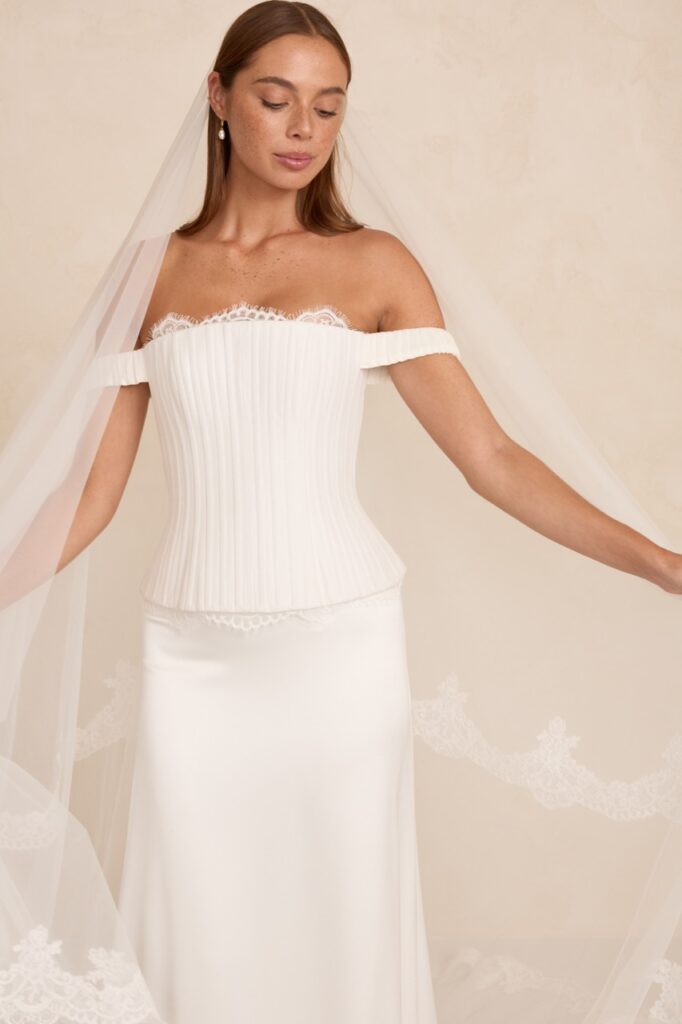
Designer Brianna Furfaro’s experience in dance informs the kinetic cut of SEPT bridal gowns, with bias seams and invisible boning – designs that move well. The 2027 collection shown at New York Bridal Week includes voluminous strapless ballgowns and feathery lace dresses, with the option to accessorise with a lace or silk shrug.
Discover more here.
WONÁ Concept x Eva Lendel
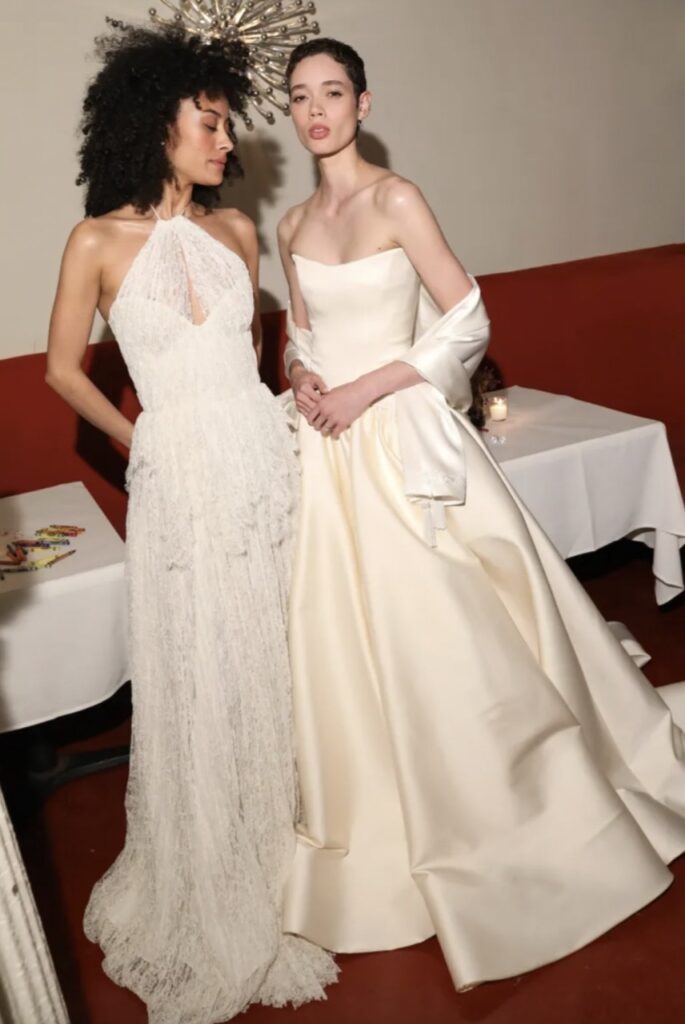
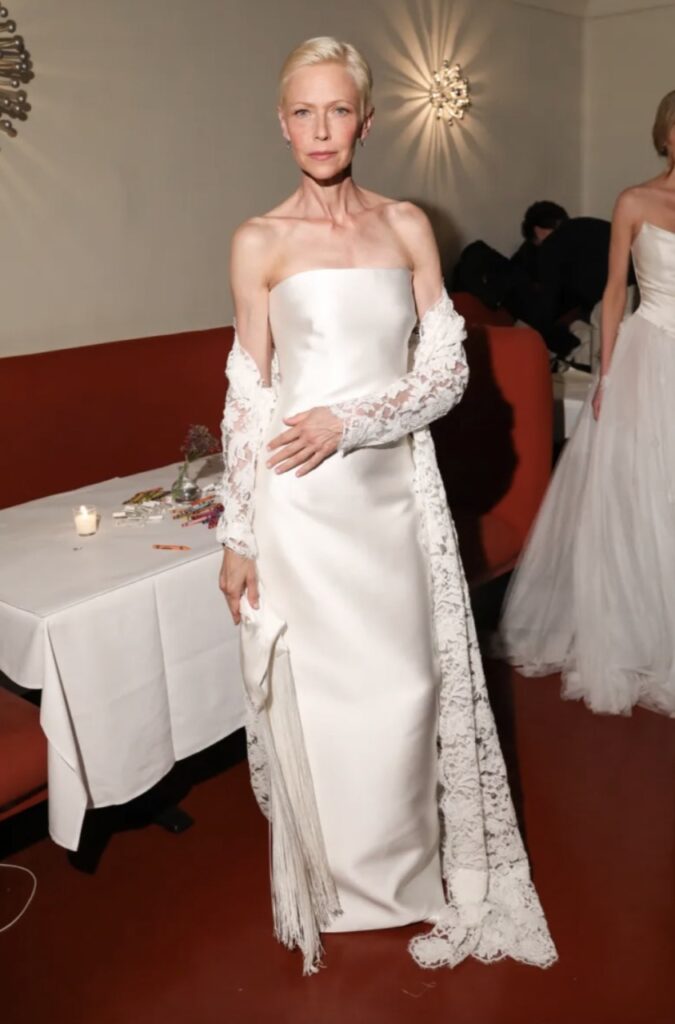
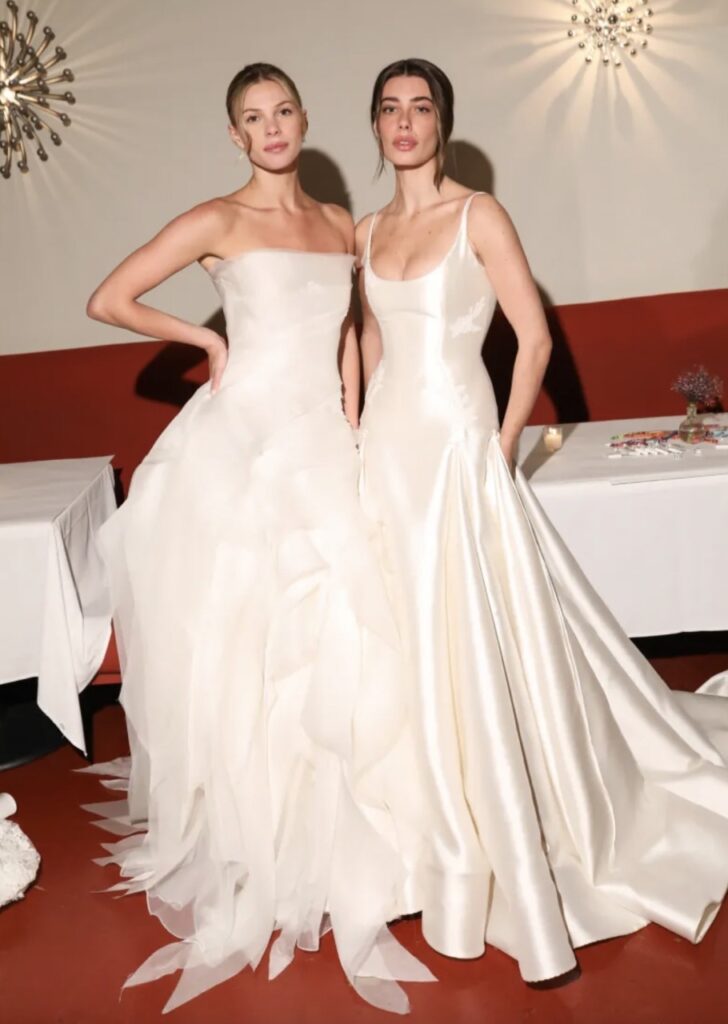
These Ukrainian sister brands are known for making the dress work for the bride, with modular designs that employ detatchable trains and convertible silhouettes. Indeed, the buoyant, soft-lined gowns of the 2027 collection included several with removable panniers, allowing brides to move from an 18th-century silhouette to a streamlined column with a few strategic unclips.
Discover more here.
Honor
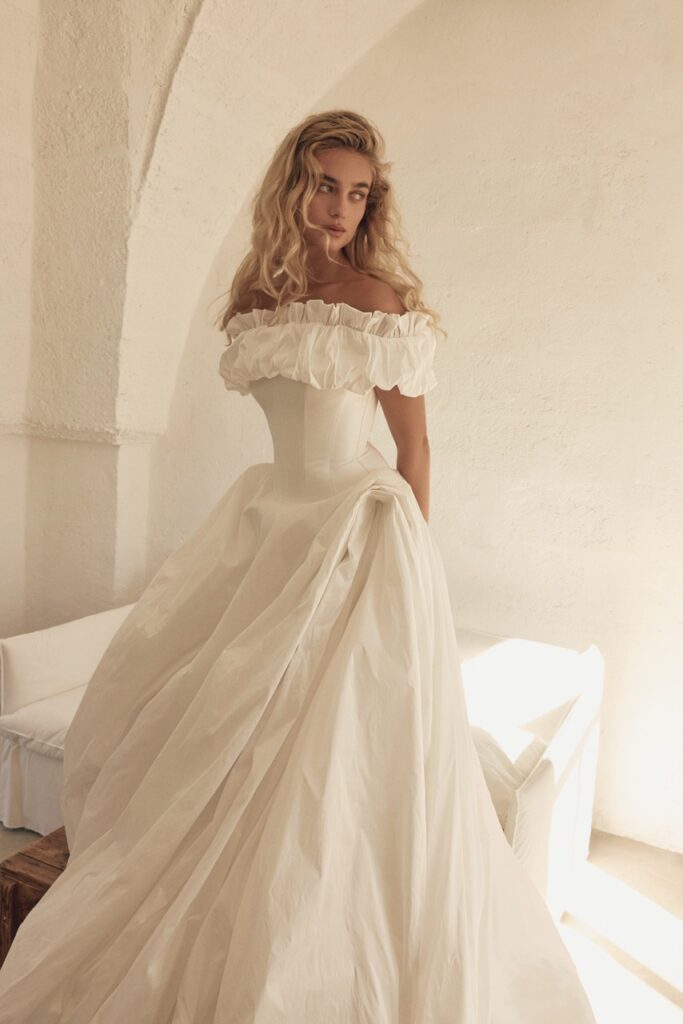
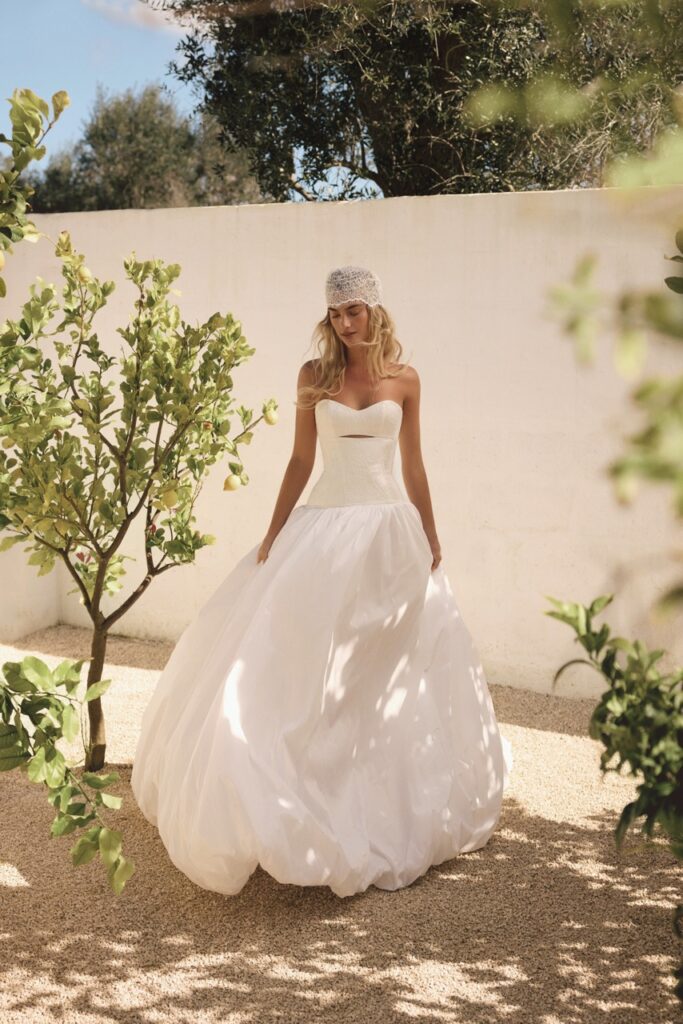
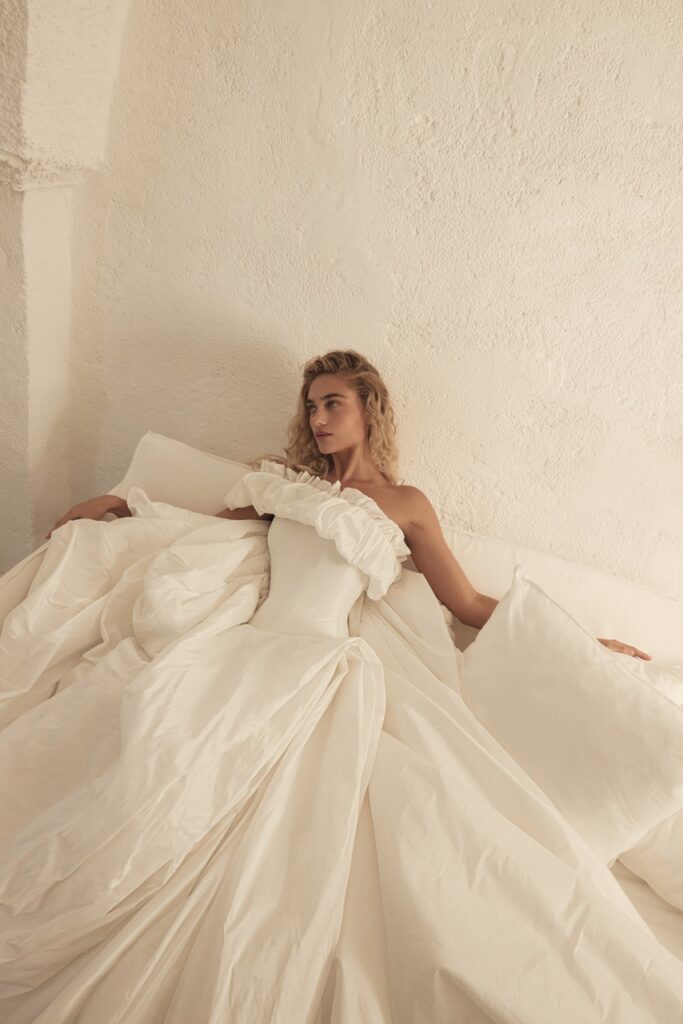
The New York-based label brings narrative to their 2027 bridal collection, as told through irreverent cinematic staging, whimsical Edwardian tea gowns and 60s mini dresses and youthful play – bows, bows, bows. All designs are explicitly feminine, all are vintage-inflected.
Discover more here.
Dana Harel
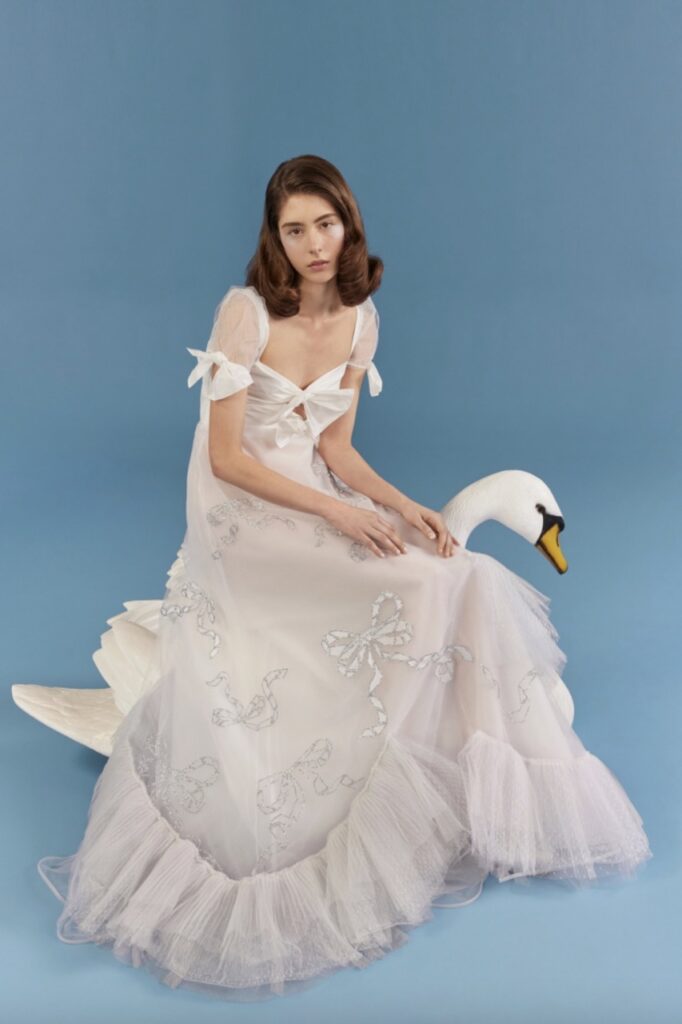
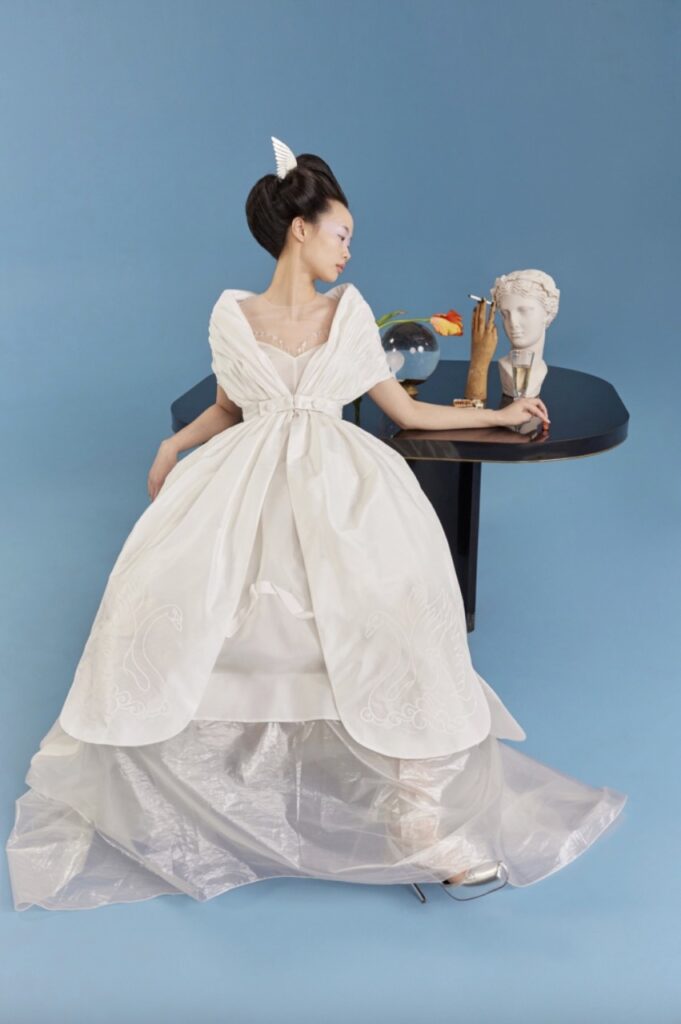
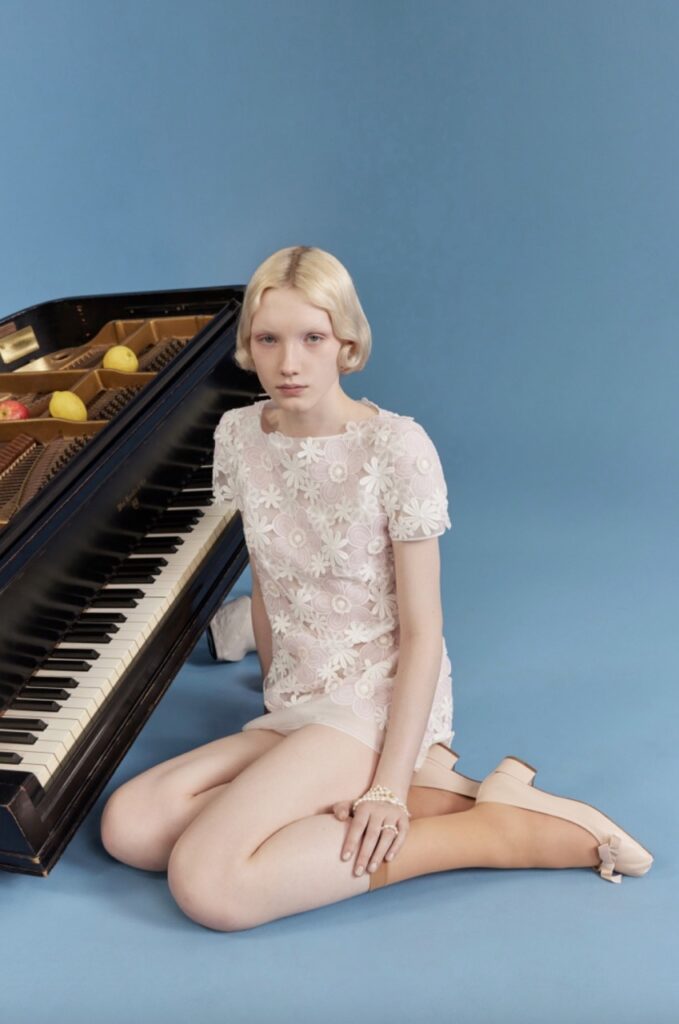
Dana Harel designs are for modern brides. The 2027 collection presented at New York Bridal Week leaned fully into both of the season’s resurgences: minimal designs with historical nods. Think corseted bodices, exaggerated hip pads and panniers, but also thoroughly contemporary clean lines and barely-there lace gowns, ideal for a destination wedding.
Discover more here.
Lein
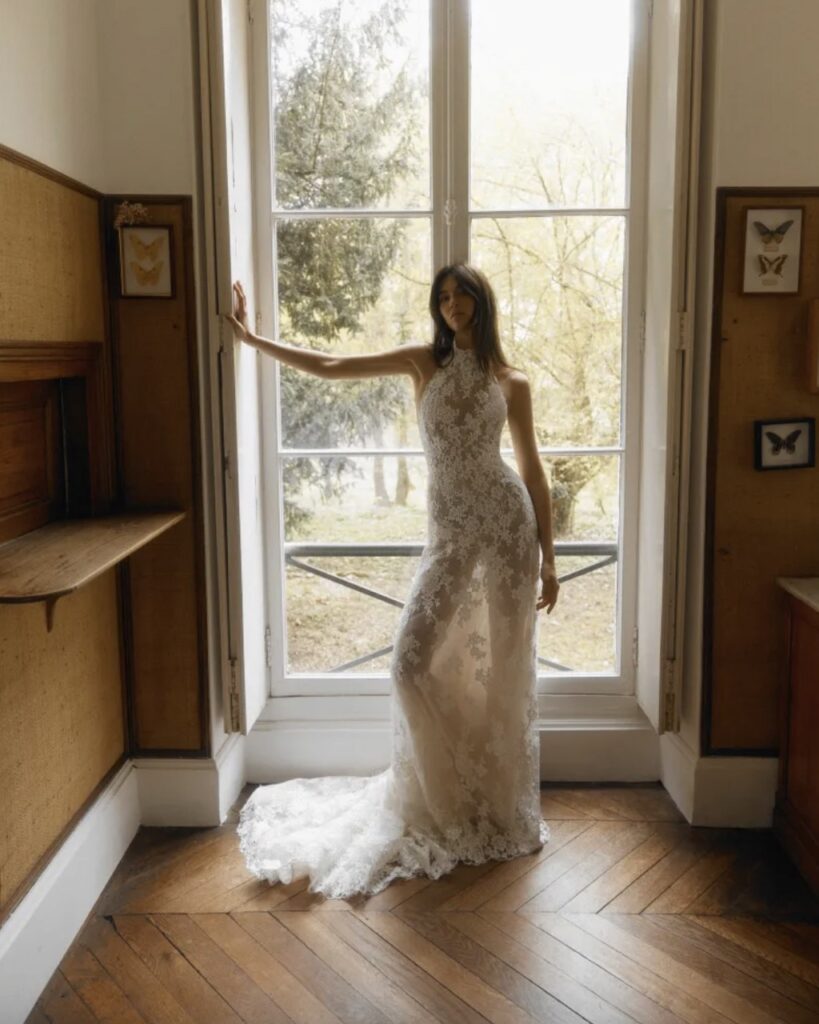
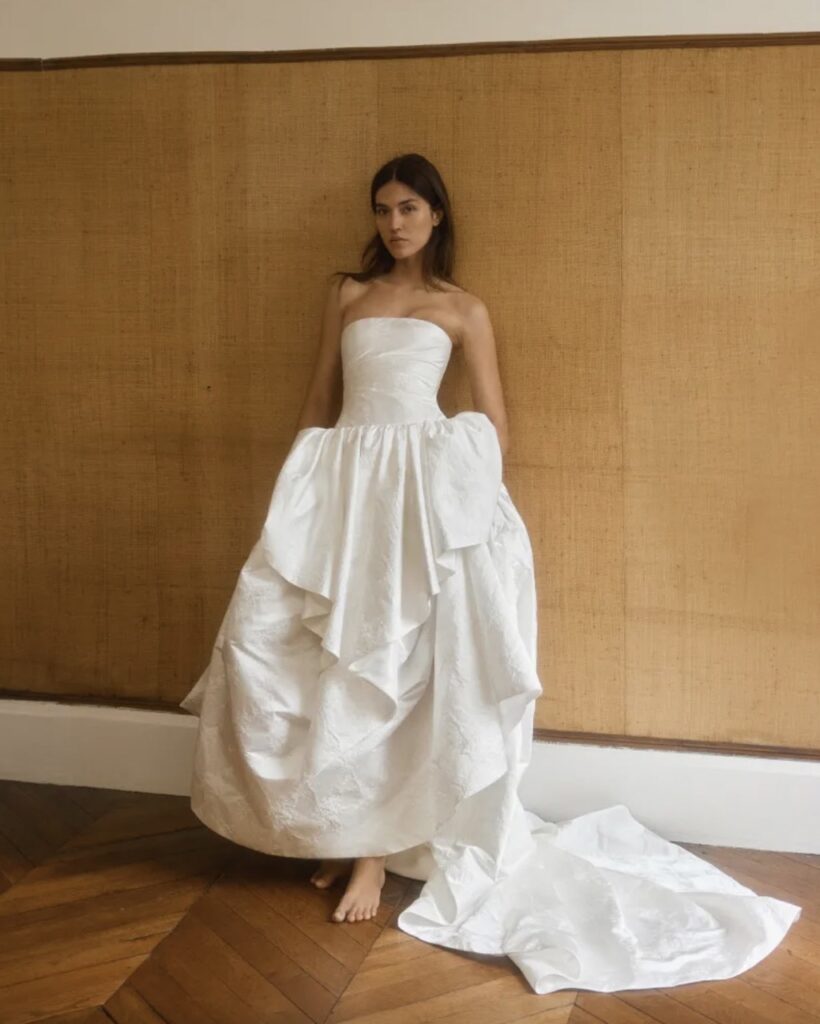
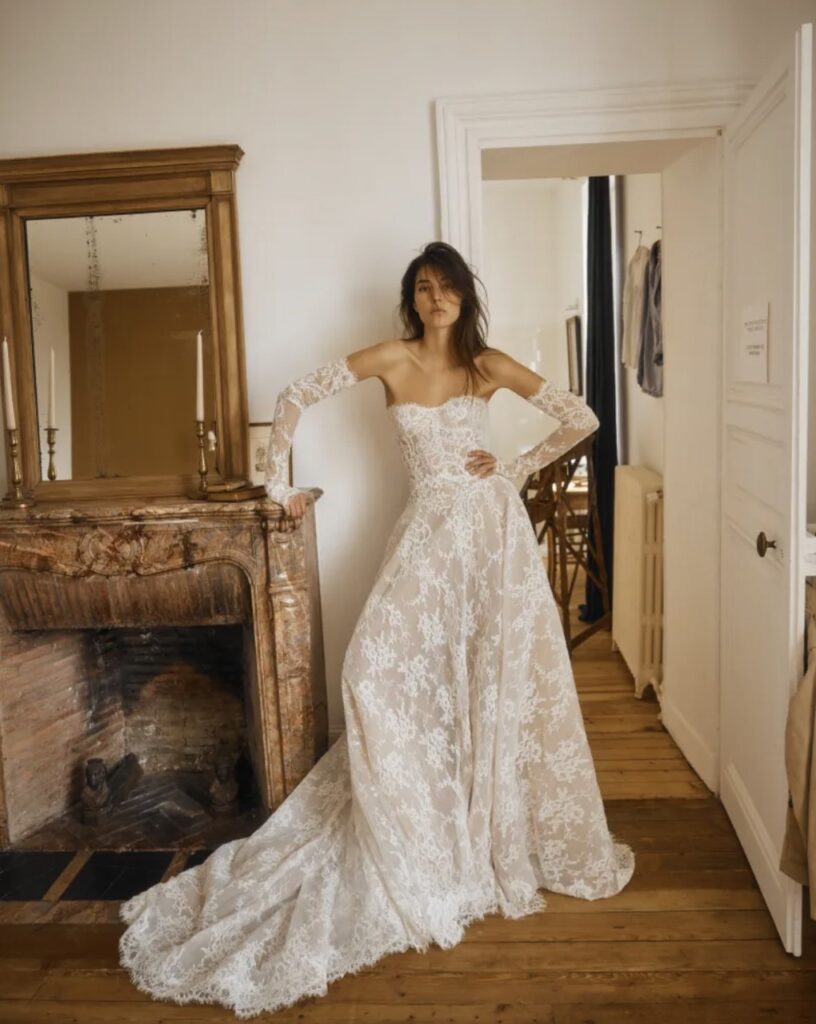
The New York-based label made its bridal debut with a 2026 collection uninterested in traditional bridal codes. Designer Leslie Holden’s background in menswear tailoring was evident in the structured blazers and suiting options, including a wearable double-breasted silk faille coat-dress that could easily transition to post-wedding life.
Discover more here.
Read Next: Inside London Bridal Week: Bridal Trends For 2026