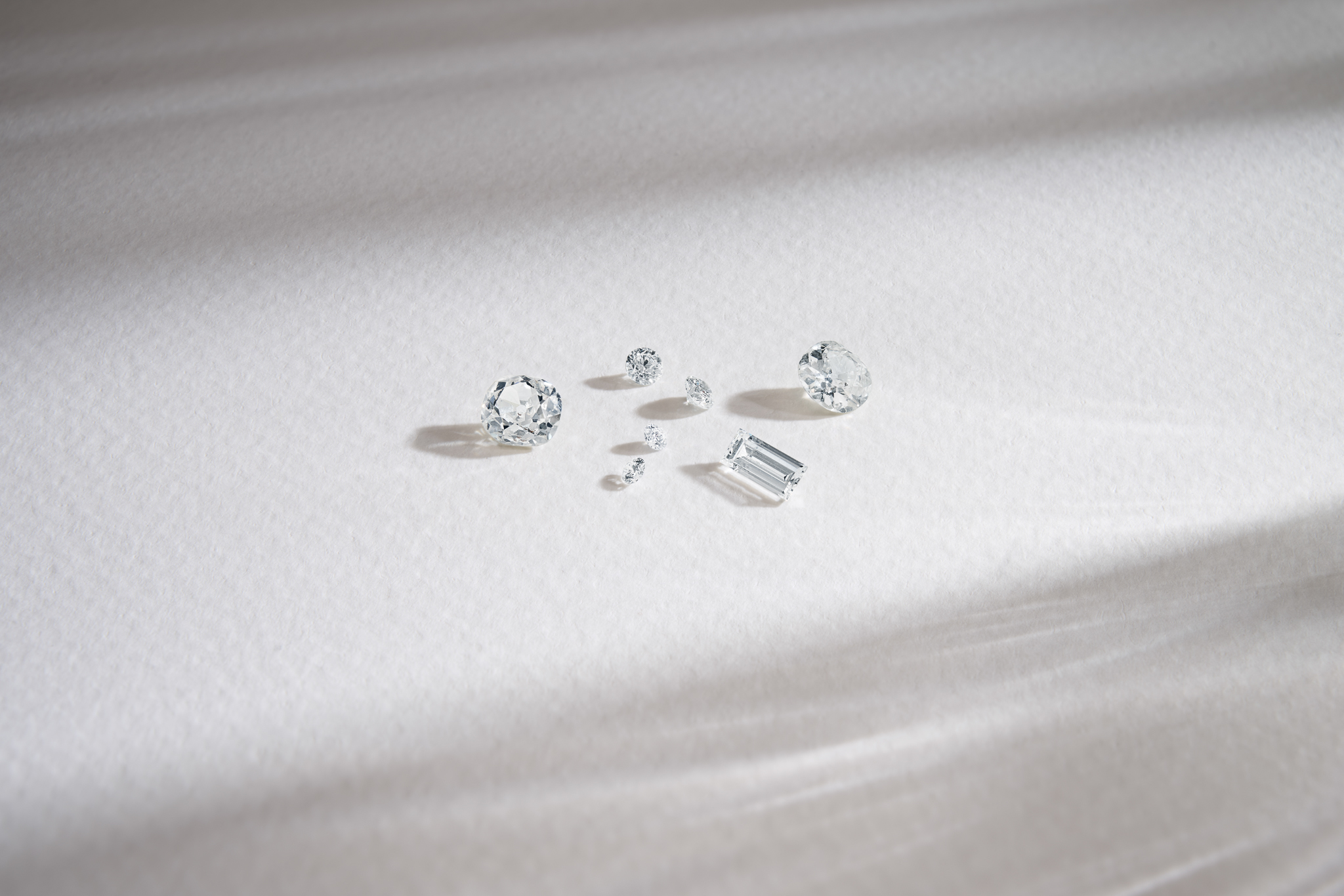
A natural diamond is among the oldest things a person can own. Most formed between one and three billion years ago, deep in the earth, and were carried up by ancient volcanic eruptions long before there was anyone to find them. No two are quite alike, and that rarity is why the natural diamond still crowns our most important milestones, and why choosing between the best UK jewellers for natural diamonds has become a decision about values and provenance as much as beauty.
Lab-grown stones, chemically identical and made in a matter of weeks, have found their place in fashion jewellery. A growing appetite for provenance and permanence, though, has drawn buyers back to natural stones and to the houses that can pinpoint exactly where each one came from. Samuel Stirrat, founder of Blackacre, sees it this way: a diamond formed over millions of years belongs to life’s most meaningful moments. “There is a natural romance to the genuine rarity of natural diamonds,” he says, each one unique and more so the larger it grows. He believes long-term value still sits with natural stones of two carats and above, and that “the current headwinds facing the industry make it an attractive time to buy.”
Here is a guide to the best UK jewellers for natural diamonds, and the history, workshops and sourcing credentials that set each apart.
Blackacre
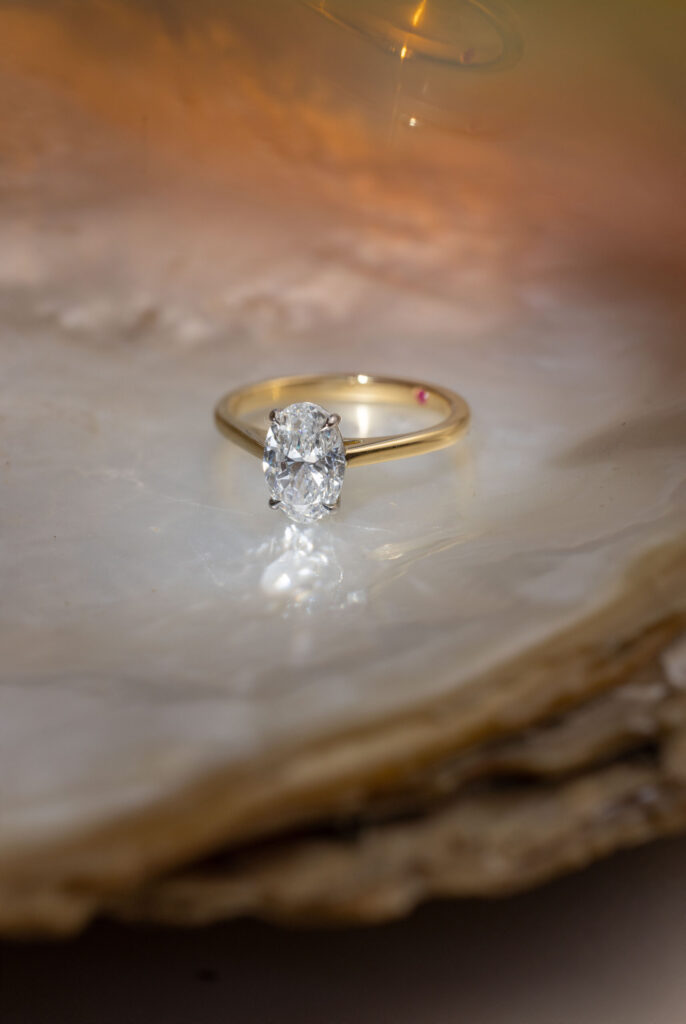
Blackacre is the young house rewriting the rules. Founded in 2017 by Stirrat, whose fascination began with a childhood gemstone collection, it works to order from an atelier near Hatton Garden and earned B Corp certification in 2024 with a near-perfect score. Sourcing is what sets it apart: Stirrat and his team travel to source, documenting expeditions into the jungles of Sri Lanka and Colombia. Going to the source country builds an appreciation not just for a stone’s rarity but for “the stories behind each stone,” he says. “In some instances months can go past without a single stone being found.” So much positive work is being done to challenge old stigmas, he adds, and only by visiting the mines and talking to local people do you see the good these projects can do for their communities. Each ring is then built around a specific stone from Responsible Jewellery Council-approved cutters, set in recycled metals, and named after the place its couple became engaged.
Discover more here: blackacreldn.com
Boodles
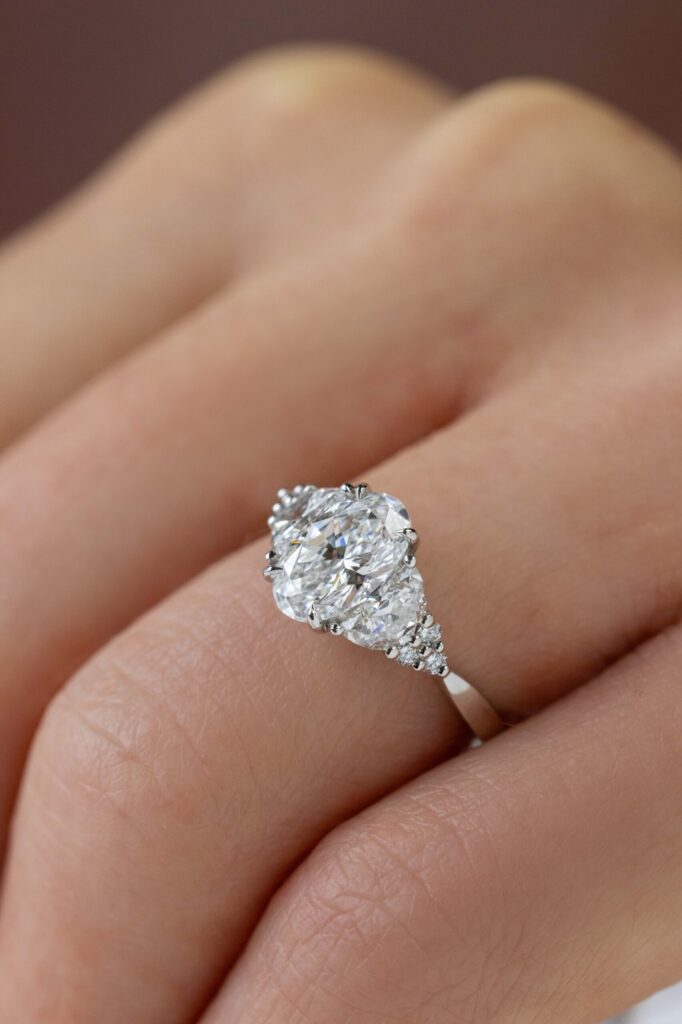
Boodles is the great British family diamond dynasty: founded in 1798, run by six generations and still independent. Its signature Raindance, a scatter of brilliant-cut diamonds set to catch the light like water, sits in the V&A’s permanent collection as an icon of British design. “Natural diamonds have been at the heart of Boodles for more than 225 years,” says Honour Wainwright, Director at Boodles, for whom sourcing is “a deeply personal process”: every director and family member helps select stones, and the Peace of Mined collection makes each diamond fully traceable to a single mine, the result of five years of relationships with more than seven mines.
Discover more here: boodles.com
Hancocks
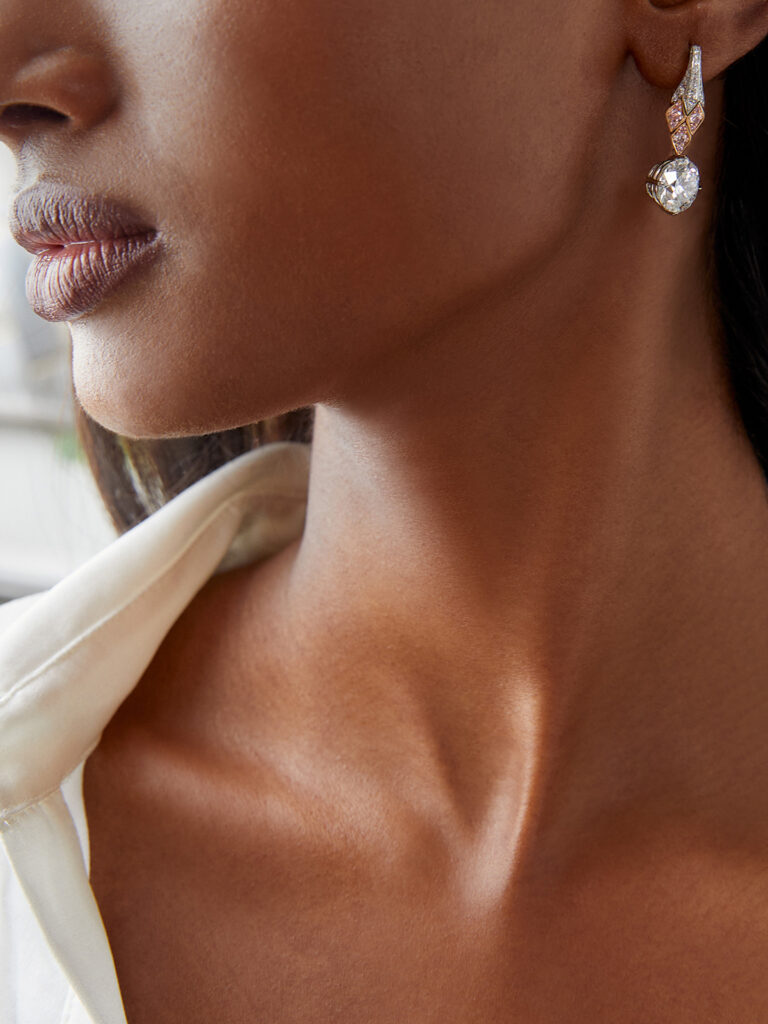
Every Victoria Cross awarded since 1856 has been struck by the same jeweller: Hancocks. Founded in 1849 and among the oldest continuously trading houses in Britain, it decamped in 2024 to a Georgian townhouse on St James’s Street, taking its trade in rare antique stones with it. “What sets us apart is our curation,” says managing director Guy Burton, who calls the house “internationally respected experts in old cut diamonds” – old-mine and old-European stones salvaged from Georgian, Victorian and Edwardian pieces, then reset by London goldsmiths into one-of-a-kind jewels, each cut by the master cutters of the day. And from a sustainability perspective, remounting a diamond cut two centuries ago in recycled gold is about as low-impact as fine jewellery gets.
Discover more here: hancockslondon.com
Julia Lloyd George
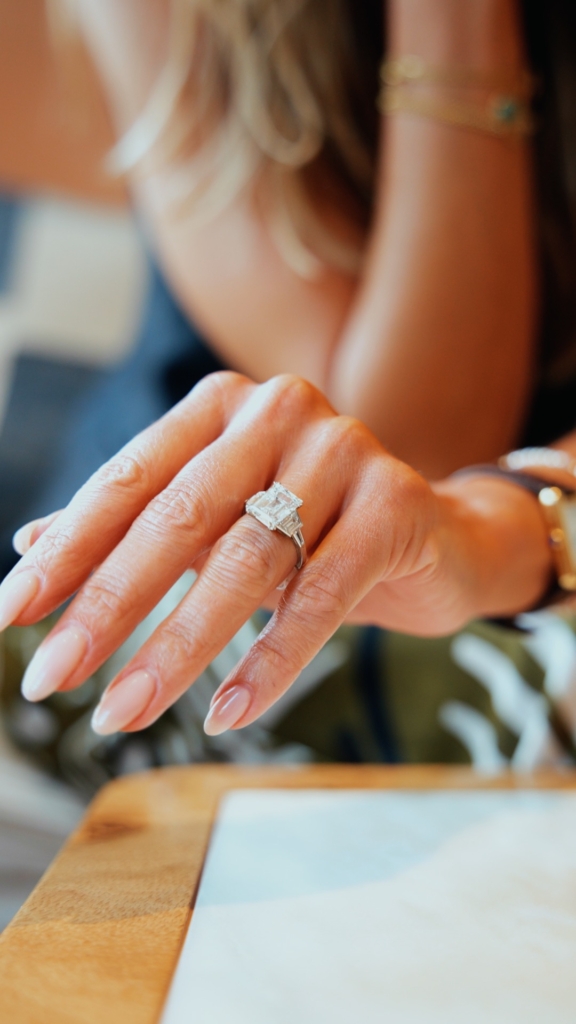
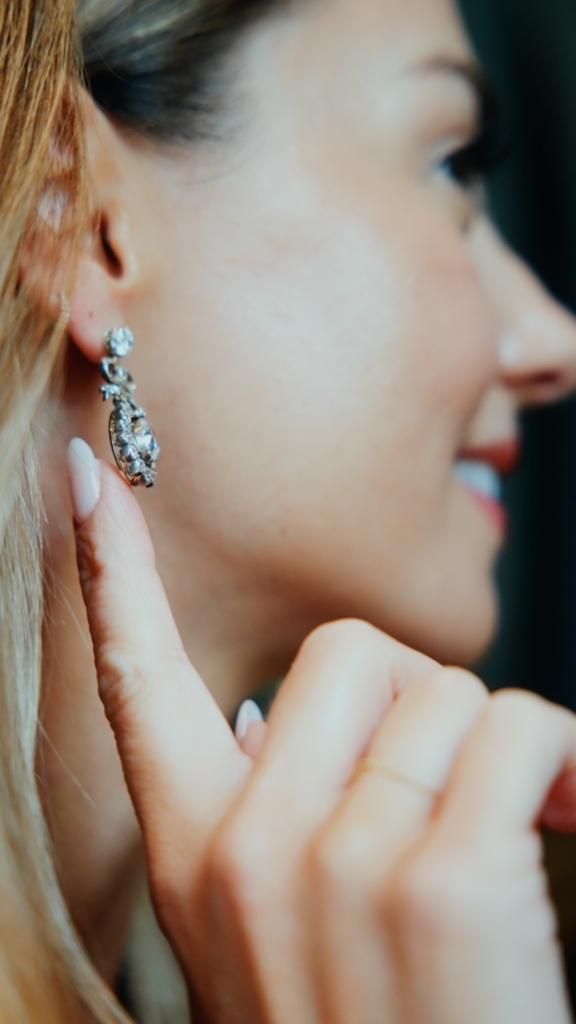
Julia Lloyd George trained at the Sir John Cass School and apprenticed in Hatton Garden when very few women worked in the trade, designing for Garrard before setting up alone in 1985. Colour is her language – her signature is the electric Paraiba tourmaline – yet natural diamonds have run through forty years of her work, whether as a focal stone or set against coloured gems. Much of her bespoke practice involves redesigning elaborate old diamond pieces into wearable, contemporary jewels, often re-setting stones in her signature warm 18ct yellow gold. She favours old-cut, rose-cut and salt-and-pepper diamonds, many of them recycled, for the timeless quality they lend.
Discover more here: julialloydgeorge.com
Cassandra Goad
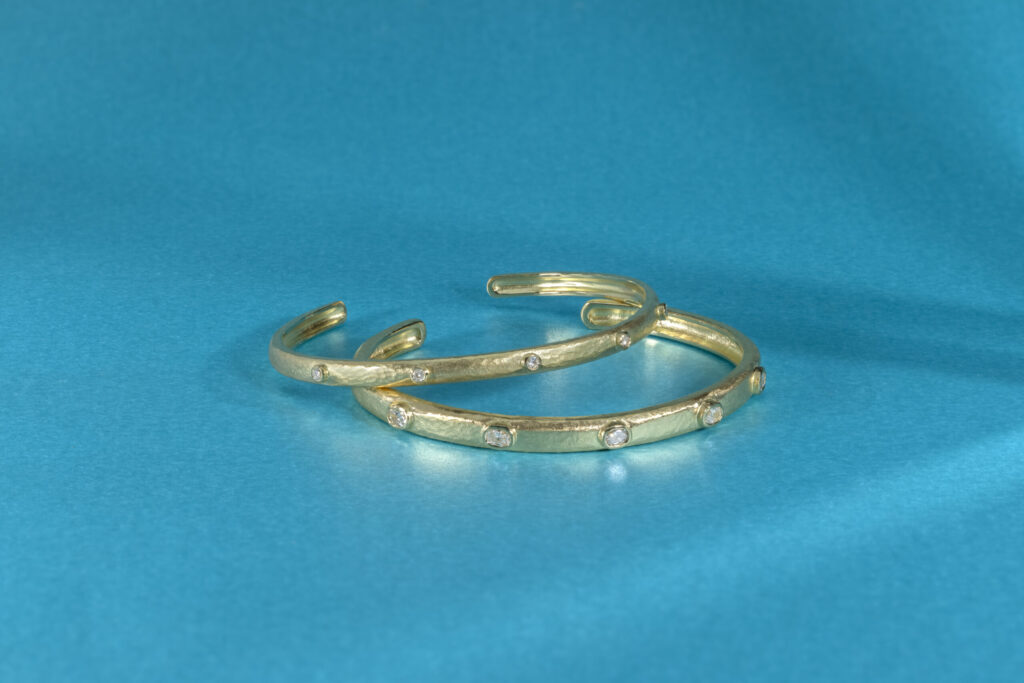
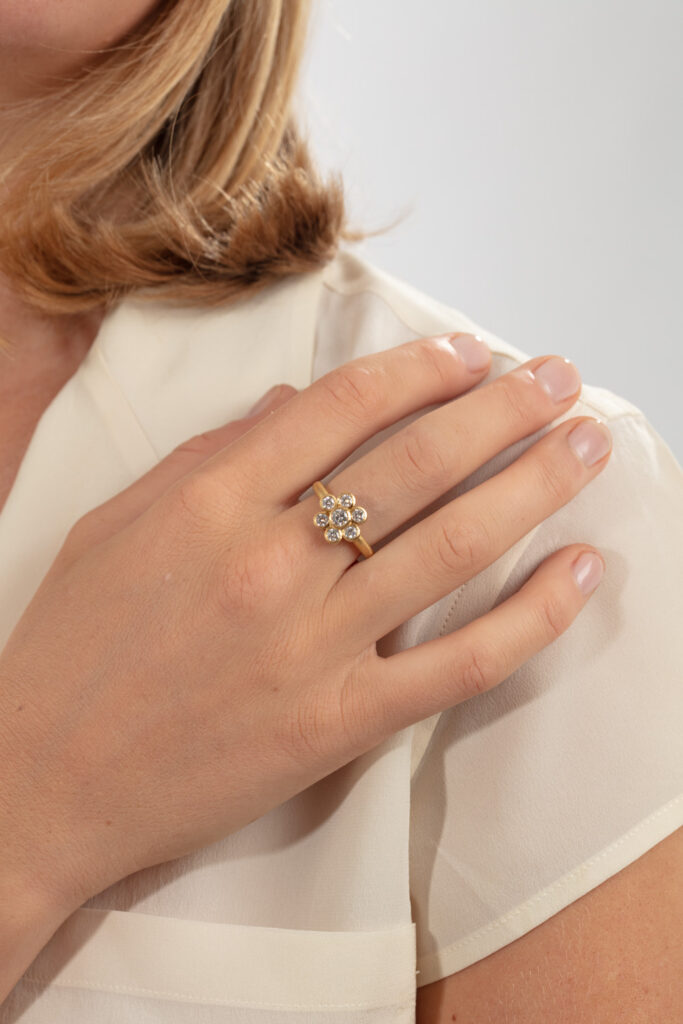
Cassandra Goad is a gemmologist and traveller who has designed from her Sloane Street townhouse for four decades. Trained first as a scientist, she traces her fascination to the earth itself, describing every natural diamond as a piece of the planet’s history. She personally sources each stone through relationships built over forty years, whether for an engagement ring or an antique diamond destined for a bespoke heirloom. “Old cut diamonds possess a magic that modern diamonds simply cannot replicate,” she says. Each one is unique in its proportions and character, reworked in her London workshops.
Discover more here: cassandragoad.com
Sophie Brietmier
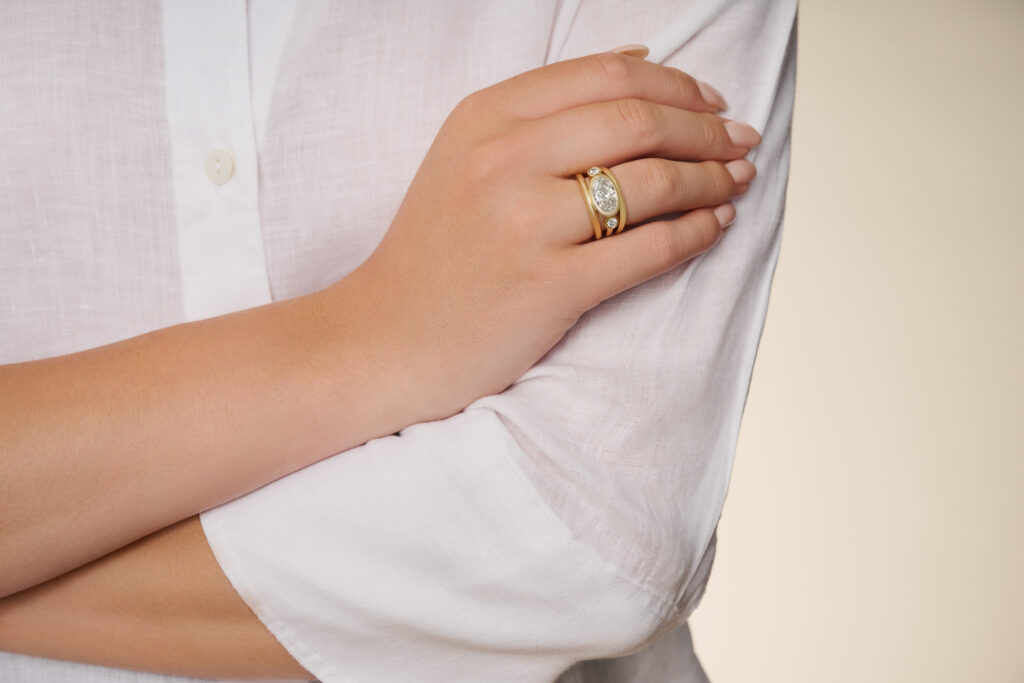
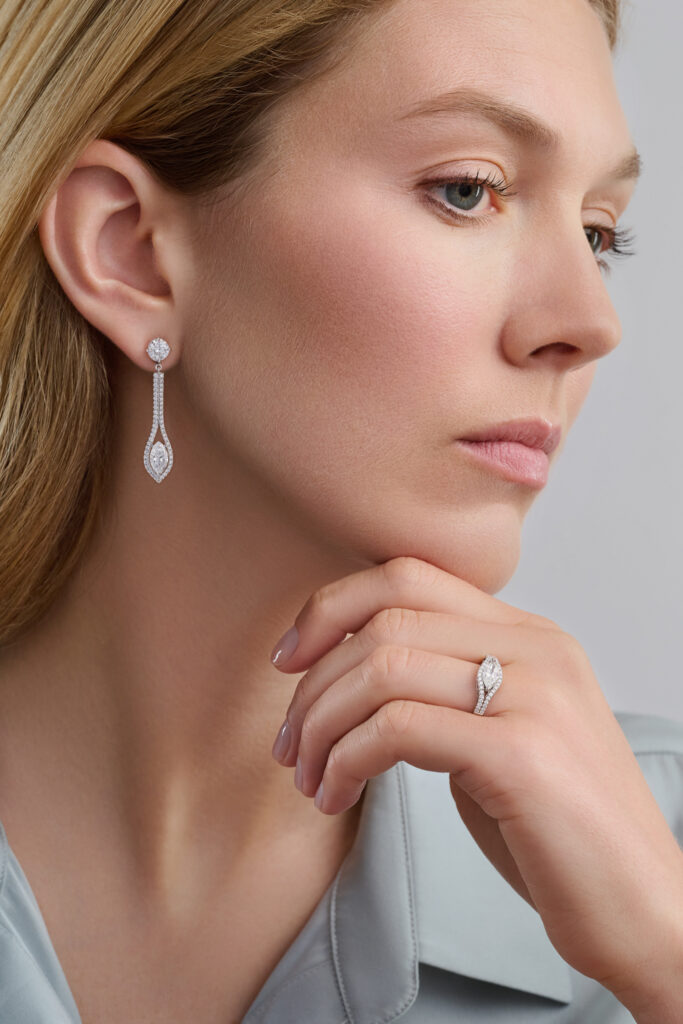
Since launching her label in 2010, Sophie Breitmeyer has made her name as a self-styled modern-day family jeweller, working from a home-from-home studio, now in Belgravia, where clients return to celebrate births, engagements and marriages. Her Art Deco-inflected bespoke pieces are handmade in Hatton Garden, frequently by reworking little-worn heirlooms, in recycled gold and Kimberley Process stones sourced from small mines where possible. “We believe natural diamonds occupy a place that laboratory-grown diamonds simply cannot replicate,” says Breitmeyer, owner and creative director. Her focus, she adds, is on “selecting diamonds for their individual beauty rather than simply the numbers on a grading certificate.”
Discover more here: sophiebreitmeyer.com
David Morris
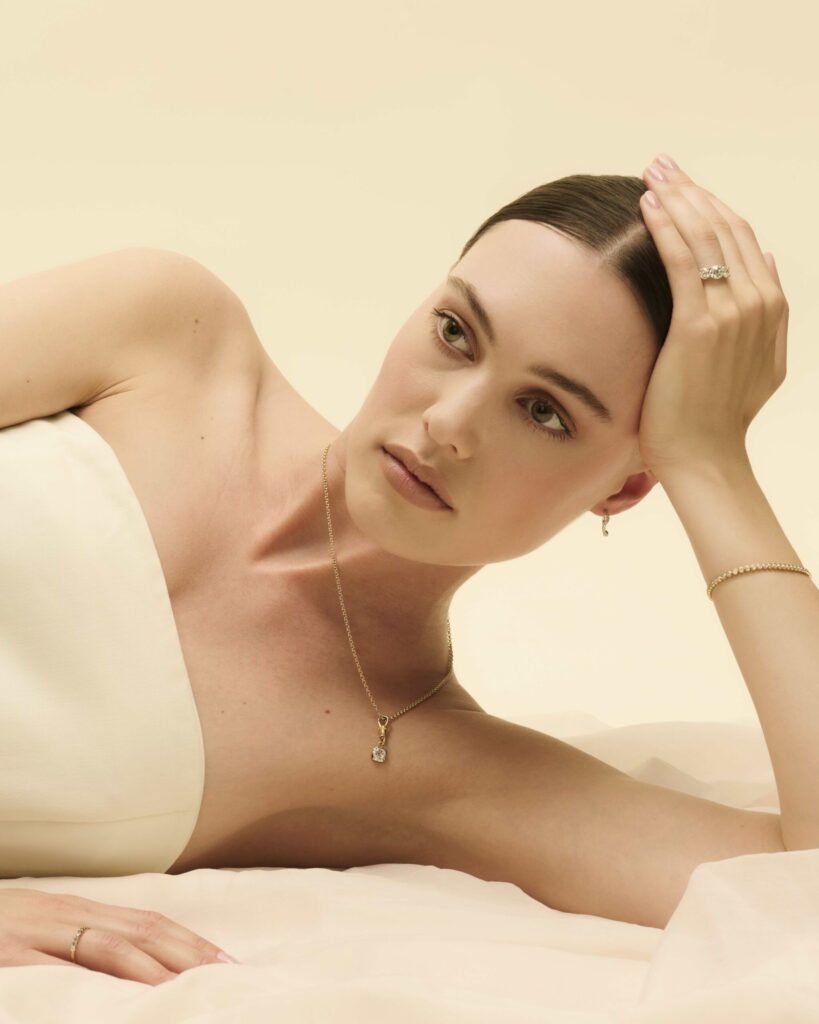
David Morris, the self-styled London jeweller, has been a family-run fixture on Bond Street since 1962. “Every piece begins with the stone,” says Cecily Morris, brand and retail director and third generation of the family. Each one is personally sourced by her father, Jeremy, whose eye for exceptional colour and rarity “comes down to instinct,” he says. The house is among the last on Bond Street with a fully working high jewellery workshop on the premises, where pieces are handcrafted from first sketch to final setting. That end-to-end control, built around the individuality of each natural diamond, is the sign of the house.
Discover more here: davidmorris.com
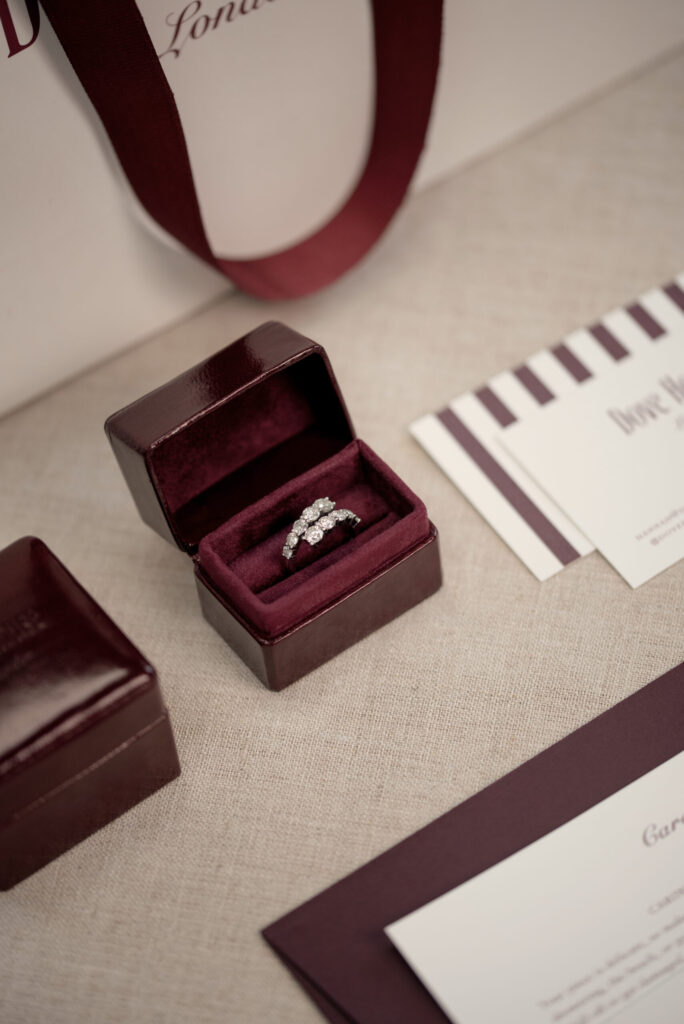
Dove House
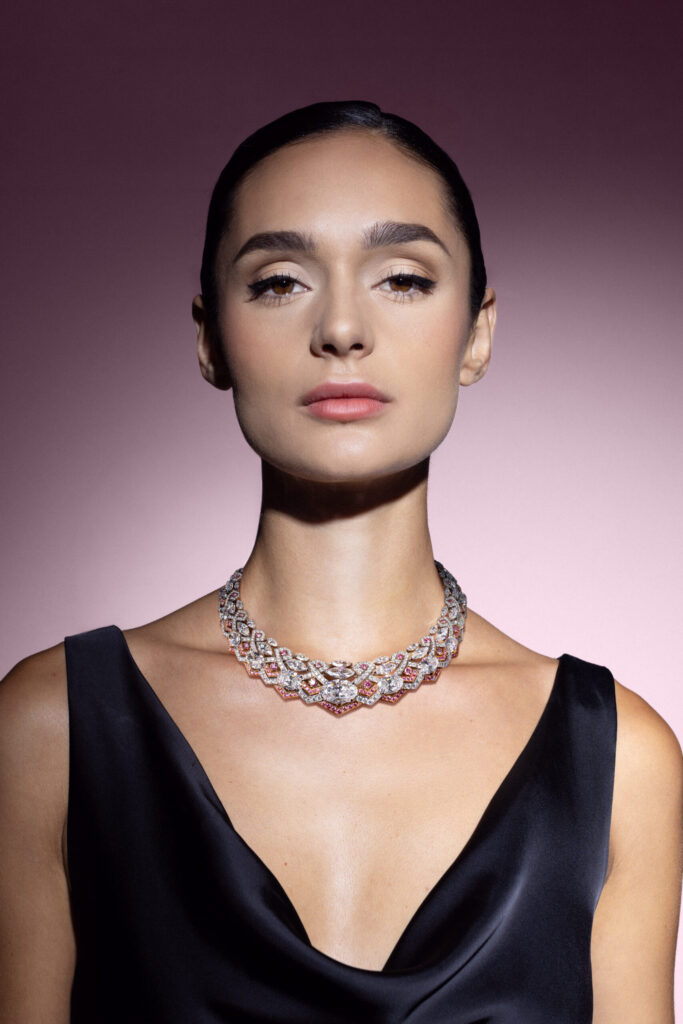
Dove House takes as its starting point the idea that no two diamonds are alike. “A certificate can tell you the technical characteristics,” says founder Hannah Nathan, “but what is always more exciting is what it doesn’t tell you” – the way two stones of identical colour grade can look entirely different for how the earth formed them. Like a fingerprint, she says, each is unique, and her own favourites are old cuts, prized for the sense of history they carry. Design counts for as much as the stone here: commissions begin with hand sketches before moving to CAD models and 3D prints, and the female-led team relishes reworking inherited jewellery into something the wearer loves while preserving the history of sentimental stones. Its most inventive touch is The Vault, a natural diamond jewellery rental service for brides, born of a conviction that natural diamonds should feel accessible.
Discover more here: dovehouselondon.com
G. Collins & Sons
On the high street of Royal Tunbridge Wells, G. Collins & Sons tells a remarkable story: Founder Harry Collins left Bond Street in 1985 to open his own shop, became Queen Elizabeth II’s personal jeweller in 2000 and served as Crown Jeweller from 2007 to 2012, recreating Henry VIII’s lost crown for Hampton Court. “We believe a diamond’s origin is just as important as its beauty,” the house says: it works exclusively with Kimberley Process-compliant, conflict-free stones and, as a member of the National Association of Jewellers, emphasises transparency and responsible sourcing. Every diamond piece is handcrafted in its Tunbridge Wells workshop.
Discover more here: gcollinsandsons.com

De Beers
No name is more entangled with the diamond than De Beers, founded in 1888 and still the largest producer, with its own mines across Botswana, Namibia, South Africa and Canada. That reach is what it offers the buyer: a diamond traceable to a single country of origin, and increasingly to the mine itself, with a reassurance few others can match. Having flirted with lab-grown under its Lightbox label, De Beers has now recommitted entirely to natural stones, boosting sourcing provenance via its Building Forever programme.
Discover more here: debeers.co.uk
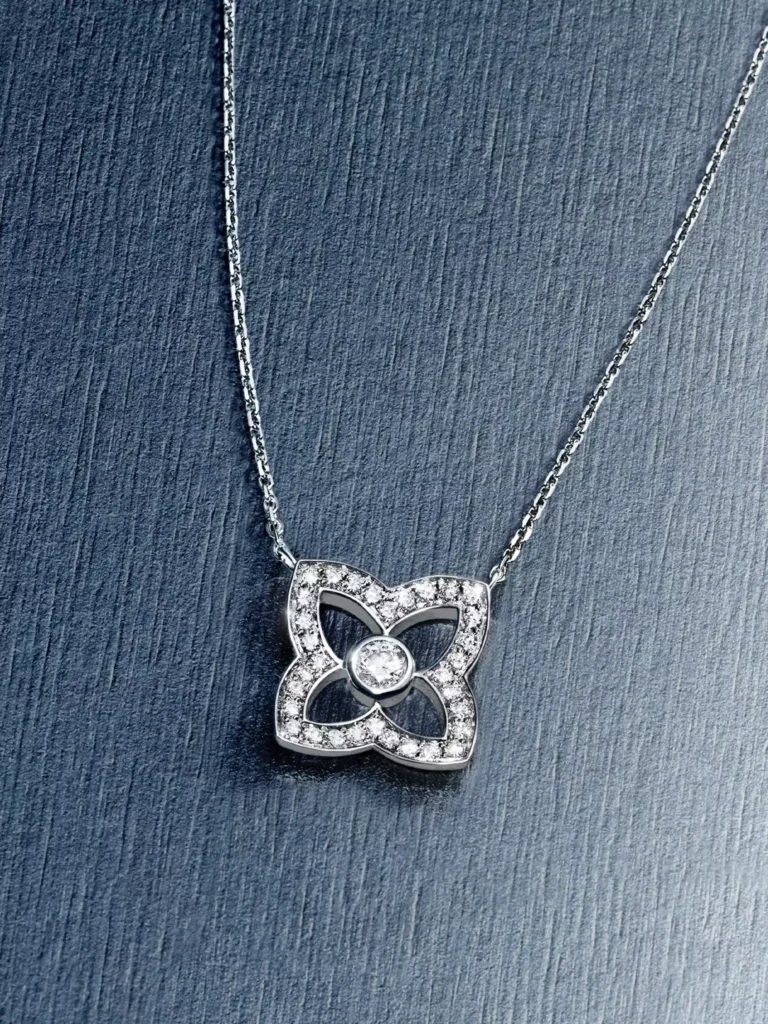
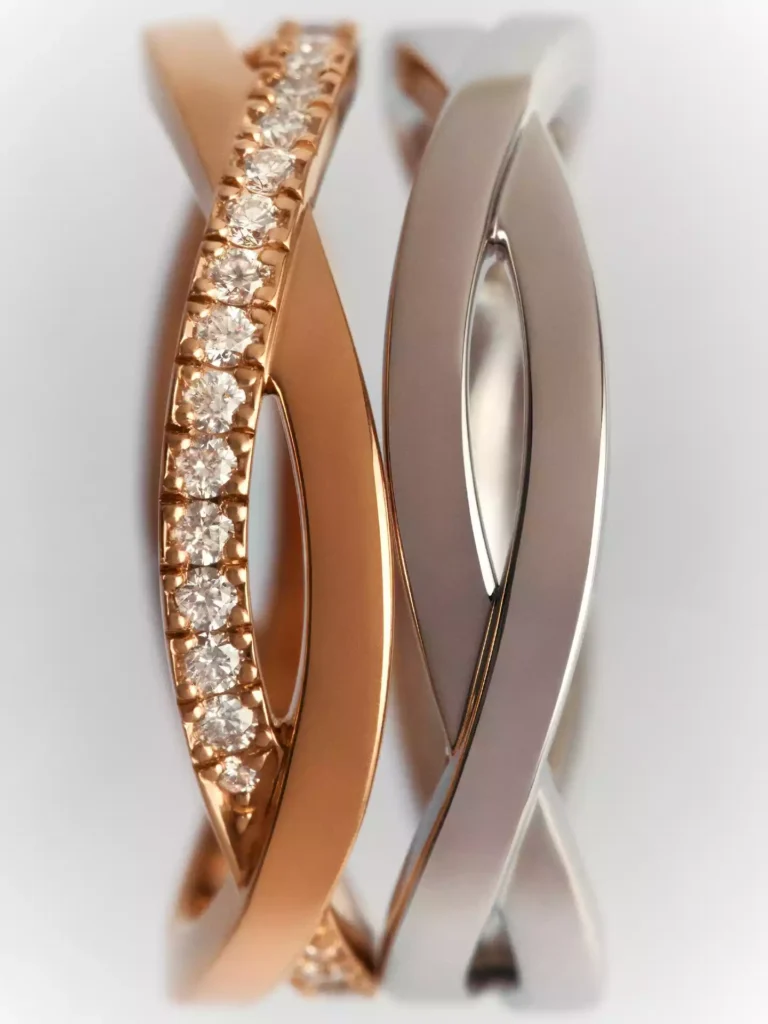
Pragnell
From a cluster of Tudor cottages in Stratford-upon-Avon, Pragnell has become one of Britain’s finest independent jewellers, founded in 1954 by George Pragnell with a lineage that dates to the early nineteenth century. Its natural-diamond pedigree is at its most theatrical in the Masterpiece collection: one-of-a-kind pieces set with the world’s rarest stones, from Golconda diamonds to Kashmir sapphires, each numbered and embossed with the Pragnell Seal. Every diamond is chosen personally by a member of the family, and Responsible Jewellery Council membership underpins a mine-to-masterpiece promise, all of it made in British workshops.
Discover more here: pragnell.co.uk
Asprey
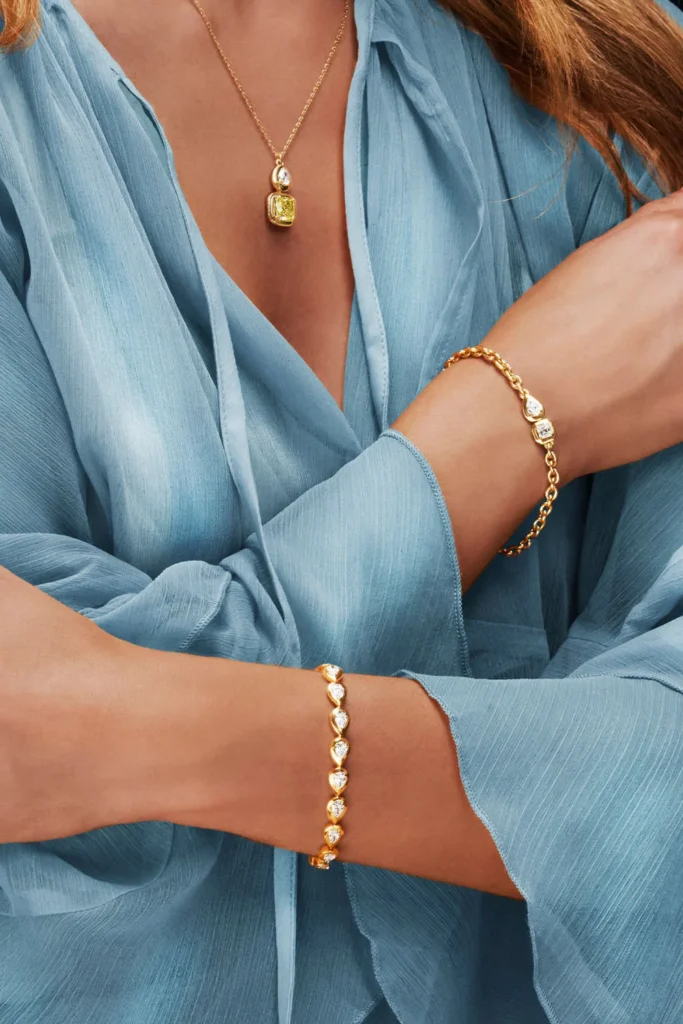
An Asprey jewel still arrives in the house’s signature purple box, some 240 years after William Asprey opened for business in 1781. It has held royal warrants since Queen Victoria, and recently traded its long-standing New Bond Street home for a Mayfair townhouse on Bruton Street. Its diamond credentials are literal: the Asprey cut, a signature 61-facet cushion developed with master cutter Gabi Tolkowsky, laser-inscribes every stone with four tiny As and its GIA number. The house that dreamt up the Heart of the Ocean for Titanic also keeps an unusually deep reserve of rare coloured diamonds.
Discover more here: asprey.com
READ NEXT: Why Traceable Diamonds And Ethically Sourced Gold Are The New Jewellery-Box Must-Haves